Honoring James Madison in 2025, the go-to guy, for his birthday, March 16

March 17, 2025

James Madison, the fourth President of the United States, and the Father of the Constitution, was born March 16, 1751, in the Tidewater area of Virginia.

Is it sinful that we do not celebrate his birthday with a federal holiday, fireworks, picnics and speeches and concerts?

Maybe you could fly your flag.  If neighbors ask why, tell them you’re flying it for freedom on James Madison’s birthday.  They’ll say, “Oh,” and run off to Google Madison.  You will have struck a blow for the education that undergirds democracy.

Journalists honor Madison on his birthday, and through the week in which his birthday occurs, with tributes to the First Amendment which he wrote, and celebrations of Freedom of Information Laws and press freedoms, two issues dear to Madison’s heart.

There is much, much to celebrate about him.

A few years ago I was asked to talk about freedom to a group of freedom lovers in North Texas.  I chose to speak about James Madison’s remarkable, and too-often unremarked-upon life. Later, when I started this blog, I posted it here, with an introduction.  All of that is below, in honor of the birth of James Madison.

Did you know that Madison is the shortest man ever to have been president?  His stature is measured in freedom, not in feet and inches.

(Originally a post on July 31, 2006)

James Madison, 1783, by Charles Wilson Peale. Library of Congress collection

James Madison, 1783, miniature by Charles Wilson Peale. Madison would have been 32. Library of Congress collection

I don’t blame students when they tell me they “hate history.”  Heaven knows, they probably have been boringly taught boring stuff.

For example, history classes study the founding of the United States. Especially under the topical restrictions imposed by standardized testing, many kids will get a short-form version of history that leaves out some of the most interesting stuff.

Who could like that?

Worse, that sort of stuff does damage to the history and the people who made it, too.

James Madison gets short shrift in the current canon, in my opinion. Madison was the fourth president, sure, and many textbooks note his role in the convention at Philadelphia that wrote the Constitution in 1787. But I think Madison’s larger career, especially his advocacy for freedom from 1776 to his death, is overlooked.

Madison was the “essential man” in the founding of the nation, in many ways. He was able to collaborate with people as few others could, in order to get things done, including his work with George Mason on the Virginia Bill of Rights, with George Washington on the Constitution and national government structure, Thomas Jefferson on the structure and preservation of freedom, Alexander Hamilton on the Constitution and national bank, and James Monroe on continuing the American Revolution.

We need to look harder at the methods and philosophy, and life, of James Madison. This is an opinion I’ve held for a long time. Here I reproduce a “sermon” I delivered to the North Texas Church of Freethought in November 2001.

James Madison White House portrait, John Vanderlyn, 1816

James Madison’s official White House portrait, by John Vanderlyn in 1816; in the White House collection

I have left this exactly as it was delivered, though I would change a few things today, especially emphasizing more the key role George Washington played in pushing Madison to get the Constitution — a view I came to courtesy of the Bill of Rights Insitute and their outstanding, week-long seminar, Shaping the Constitution: A View from Mount Vernon 1783-1789. The Bill of Rights Institute provides outstanding training for teachers, and this particular session, at Washington’s home at Mount Vernon, Virginia, is well worth the time (check with the Institute to see whether it will be offered next year — and apply!). I am especially grateful to have had the opportunity to discuss these times and issues with outstanding scholars like Dr. Gordon Lloyd of Pepperdine University, Dr. Adam Tate of Morrow College, and Dr. Stuart Leibiger of LaSalle University, during my stay at Mount Vernon.

My presentation to the skeptics of North Texas centered around the theme of what a skeptic might give thanks for at Thanksgiving. (It is available on the web — a misspelling of my name in the program carried over to the web, which has provided me a source of amusement for several years.)

Here is the presentation:

Being Thankful For Religious Liberty

As Presented at the November, 2001 Sunday Service of The North Texas Church of Freethought

Historians rethink the past at least every generation, mining history for new insights or, at least, a new book. About the founders of this nation there has been a good deal of rethinking lately. David McCullough reminds us that John Adams really was a good guy, and that we shouldn’t think of him simply as the Federalist foil to Thomas Jefferson’s more democratic view of the world. Jefferson himself is greatly scrutinized, and perhaps out of favor — “American Sphinx,” Joseph Ellis calls him. The science of DNA testing shows that perhaps Jefferson had more to be quiet about than even he confessed in his journals. While Jefferson himself questioned his own weakness in his not freeing his slaves in his lifetime, historians and fans of Jefferson’s great writings wrestle with the likelihood of his relationship with one of his own slaves (the old Sally Hemings stories came back, and DNA indicates her children were fathered by a member of the Jefferson clan; some critics argue that Jefferson was a hypocrite, but that was Jefferson’s own criticism of himself; defenders point out that the affair most likely was consensual, but could not be openly acknowledged in Virginia at that time). Hamilton’s gift to America was a financial system capable of carrying a noble nation to great achievement, we are told – don’t think of him simply as the fellow Aaron Burr killed in a duel. Washington is recast as one of the earliest guerrilla fighters, and in one book as a typical gentleman who couldn’t control his expenses. Franklin becomes in recent books the “First American,” the model after which we are all made, somehow.

Of the major figures of these founding eras, James Madison is left out of the rethinking, at least for now. There has been no major biography of Madison for a decade or more, not since Ralph Ketcham’s book for the University of Virginia press. Madison has a role in Joseph Ellis’s Founding Brothers, but he shares his spotlight with Hamilton and Jefferson. I think this is an oversight. As we enter into the first Thanksgiving season of the 21st century, we would do well to take a look back at Madison’s life. Madison gives us a model of reason, and more important, a model of action coupled to reason. America’s founding is often depicted as a time of great thunder — if not the thunder of the lightning Ben Franklin experimented with, an experiment he parlayed into worldwide respect for Americans, it is the thunder of the pronouncements of Thomas Jefferson in the Declaration of Independence, or of George Washington, just generally thundering through history.

The use of a bolt of lightning as a symbol for this group is inspired, I think. I’m a great fan of Mark Twain, and when I see that bolt of electricity depicted I think of Twain’s observation:

“Thunder is good; thunder is impressive. But it is lightning that does the work.”

Thunder at the founding is impressive; where was the lightning?

I’d like to point out two themes that run through Madison’s life, or rather, two activities that we find him in time and again. Madison’s life was marked by periods of reflection, followed by action as a result of that reflection.

We don’t know a lot about Madison’s youth. He was the oldest son of a wealthy Virginia planter, growing up in the Orange County area of Tidewater Virginia. We know he was boarded out for schooling with good teachers – usually clergymen, but occasionally to someone with expertise in a particular subject – and we know that he won admission to Princeton to study under the Rev. John Witherspoon, a recent Presbyterian transplant from across the Atlantic. Madison broke with tradition a bit in attending an American rather than an English school. And after completing his course of study he remained at Princeton for another year to study theology directly under Witherspoon, with an eye toward becoming a preacher.

Witherspoon is often held up as an example of how religion influenced the founders, but he was much more of a rationalist than some would have us believe. He persuaded the young Madison that a career in law and politics would be a great service to the people of Virginia and America, and might be a higher calling. After a year of this reflection, Madison returned to Virginia and won election to local government.

In his role as a county official Madison traveled the area. He inspected the works of government, including the jails. He was surprised to find in jail in Virginia people accused of — gasp! — practicing adult baptism. In fact Baptists and Presbyterians were jailed on occasion, because the Anglican church was the state church of Virginia, and their practicing their faith was against the common law. This troubled Madison greatly, and it directed an important part of his work for the rest of his life. In January of 1774, Madison wrote about it to another prominent Virginian, William Bradford:

“Poverty and Luxury prevail among all sorts: Pride ignorance and Knavery among the Priesthood and Vice and Wickedness among the Laity. This is bad enough. But it is not the worst I have to tell you. That diabolical Hell conceived principle of persecution rages among some and to their eternal infamy the Clergy can furnish their Quota of Imps for such business. This vexes me the most of any thing whatever. There are at this time in the adjacent County not less than 5 or 6 well meaning men in close Gaol for publishing their religious Sentiments which in the main are very orthodox. I have neither patience to hear talk or think of any thing relative to this matter, for I have squabbled and scolded abused and ridiculed so long about it, to so little purpose that I am without common patience. So I leave you to pity me and pray for Liberty of Conscience to revive among us.”

By April, Madison’s views on the matter had been boiled down to the essences, and he wrote Bradford again more bluntly:

“Religious bondage shackles and debilitates the mind and unfits it for every noble enterprise.”

Madison must have done a fine job at his county duties, whatever they were, because in 1776 when Virginia was organizing its government to survive hostilities with England, Madison was elected to the legislative body.

Madison was 25, and still raw in Virginia politics. He was appointed to the committee headed by George Mason to review the laws and charter of the colony. Another who would serve on this committee when he was back from Philadelphia was Thomas Jefferson. George Mason was already a giant in Virginia politics, and by the time Madison got to Williamsburg, Mason had already completed much of the work on a bill of rights to undergird the new Virginia government. Madison noted that freedom of religion was not among the rights enumerated in Mason’s version — but it was too late, Mason said. The work was done.

Madison quietly went to work on Mason, in committee, over dinner, during social occasions — noting the great injustice of jailing people solely because of their beliefs, and urging to Mason that it did Virginia no good to keep these fathers from providing for their families.

Mason ultimately agreed to accept the amendment.

The pattern was set.

Perhaps a better example of this reflection and action cycle occurred nearly a decade later. By 1785 the war was over, independence was won, but the business of government continued. While serving as governor of Virginia, Thomas Jefferson had drafted about 150 proposals for laws, really a blueprint for a free government. About half of these proposals had been passed into law. By 1785, Jefferson was away from Virginia, representing the Confederation of colonies in Paris. Jefferson had provided several laws to disestablish religion in Virginia, and to separate out the functions of church and state. With Jefferson gone, however, his old nemesis Patrick Henry sought to roll back some of that work. Henry proposed to bring back state support for the clergy, for the stated purpose of promoting education. (Yes, this is the same battle we fight today for church and state separation.) After Jefferson’s troubled term as governor, Virginia turned again to Henry – Henry ultimately served six terms as governor. His proposal was set for a quick approval in the Virginia assembly. It was late in the term, and everyone wanted to get home.

Henry was, of course, a thundering orator of great note. Madison was a small man with a nervous speaking style, but a man who knew the issues better than anyone else in almost any room he could be in. Madison came up with an interesting proposal. Picking the religion for the state was serious stuff, he said. A state doesn’t want to pick the wrong religion, and get stuck with the wrong god, surely — and such weighty matters deserve widespread support and discussion, Madison said. His motion to delay Henry’s bill until the next session, in order to let the public know and approve, was agreed to handily.

You probably know the rest of this story. With a year for the state to reflect on the idea, Madison wrote up a petition on the issue, which he called a “Memorial and Remonstrance.” In the petition he laid out 15 reasons why separation of church and state was a superior form of government, concluding that in the previous 1,500 years, every marriage of church and state produced a lazy and corrupt church, and despotic government. Madison’s petition circulated everywhere, and away from Patrick Henry’s thundering orations, the people of Virginia chose Madison’s cool reason.

When the legislature reconvened in 1786, it rejected Henry’s proposal. But Madison’s petition had been so persuasive, the legislature also brought up a proposal Thomas Jefferson had made six years earlier, and passed into law the Virginia Statue for Religious Freedom.

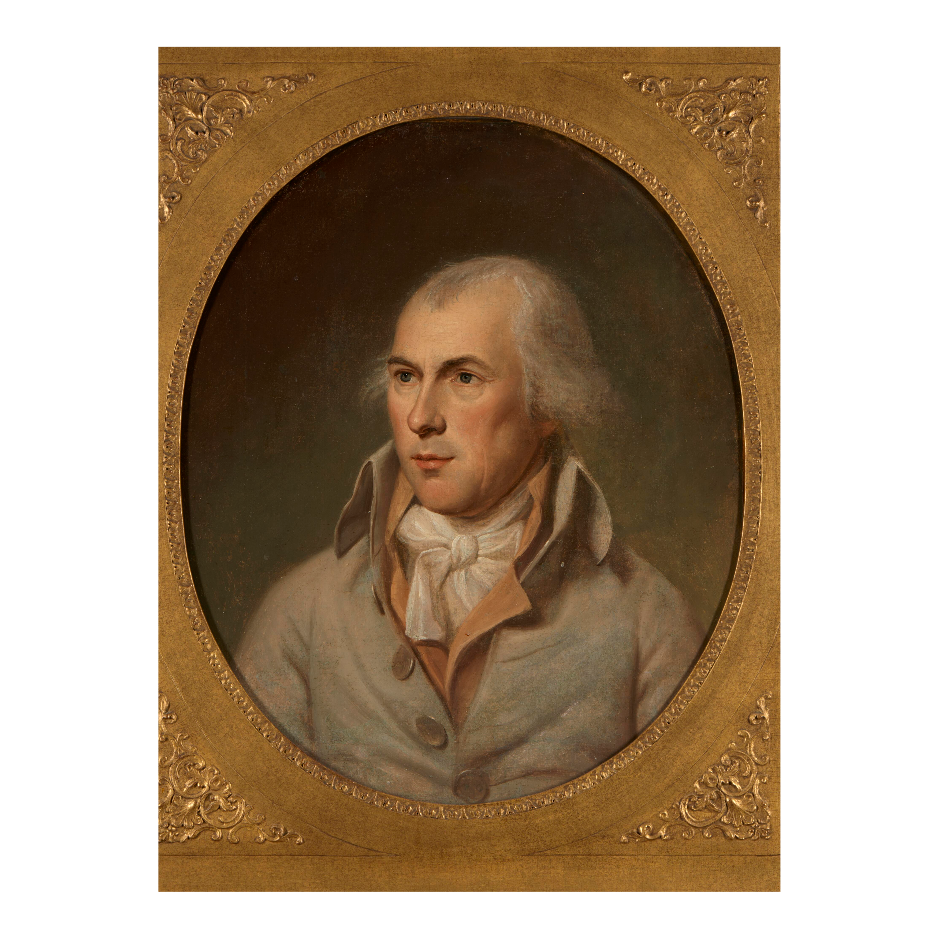
This was a great victory for Madison, and for Virginia. He celebrated by convening a convention to settle disputes between Virginia and Maryland about navigation on the Chesapeake Bay. Having reflected on the nature of this issue — a dispute between colonies — Madison had sought advice from others having the same problems, such as New York and New Jersey. In that effort he got the support of a New Yorker working on the same problems, Alexander Hamilton. In the course of these discussions Madison thought it clear that the difficulty lay with the form of government that bound the colonies together under the Articles of Confederation. Hamilton agreed, and they got their respective states and conferences to agree to meet in Philadelphia in 1787 to try to fix those problems. [Since I first wrote this, I’ve learned that it was George Washington’s desire to get a federal government, to facilitate the settling of the Ohio River Valley where Washington had several thousands of acres to sell, that prompted him to push Madison into the Annapolis Convention, and who made the introduction between Madison and Washington’s old aide and friend, Alexander Hamilton; Madison’s work with Washington runs much deeper than I orignally saw.] James Madison, by Charles Wilson Peale, 1792; Gilcrease Museum
Amending the Articles of Confederation was a doomed effort, many thought. The colonies would go their separate ways, no longer bound by the need to hang together against the Parliament of England. Perhaps George Washington could have got a council together to propose a new system, but Washington had stayed out of these debates. Washington’s model for action was the Roman general Cincinnatus, who went from his plow to lead the Romans to victory, then returned to his farm, and finding his plow where he had left it, took it up again.

Madison invited Washington, and persuaded Washington to attend. Washington was elected president of the convention, and in retrospect that election guaranteed that whatever the convention produced, the colonies would pay attention to it.

You know that history, too. The convention quickly decided the Articles of Confederation were beyond repair. Instead, they wrote a new charter for a new form of government. The charter was based in part on Jefferson’s Virginia Plan, with lots of modifications. Because the Constitution resembles so much the blueprint that Jefferson had written, and because Jefferson was a great founder, many Americans believe Jefferson was a guiding light at that Philadelphia convention. It’s often good to reflect that Jefferson was in Paris the entire time. While America remembers the thunder of Washington’s presiding, Franklin’s timely contributions and Jefferson’s ideas, it was Madison who did the heavy lifting, who got Washington and Franklin to attend the meeting Madison had set up, and got Jefferson’s ideas presented and explained.

It was Madison who decided, in late August of 1787, that the convention could not hang together long enough to create a bill of rights, and instead got approval for the basic framework of the U.S. government. In Virginia a few months later, while Patrick Henry thundered against what he described as a power grab by a new government, it was Madison who assembled the coalitions that got the Constitution ratified by the Virginia ratifying convention. And when even Jefferson complained that a constitution was dangerous without a bill of rights, it was Madison who first calmed Jefferson, then promised that one of the first actions of the new government would be a bill of rights. He delivered on that promise as a Member of the House of Representatives in 1789.

It is difficult to appreciate just how deeply insinuated into the creation of America was James Madison. In big ways and small, he made America work. He took the lofty ideas of Jefferson, and made them into laws that are still on the books, unamended and unedited, more than 200 years later.

When the ratification battle was won, when Madison had won election to the House over Patrick Henry’s strong objection, partly by befriending the man Henry had picked to defeat Madison, James Monroe, Madison could have savored the moment and been assured a place in history.

James Madison in 1804, by Gilbert Stuart

James Madison in 1804, by Gilbert Stuart. Colonial Williamsburg Foundation, Williamsburg, Virginia. Gift of Mrs. George S. Robbins

That’s not what a lightning bolt does. Journeying to New York for the opening of the First Congress and the inauguration of Washington as president, Madison stopped off at Mount Vernon to visit with Washington, apparently at Washington’s request. In what was a few hours, really, Madison wrote Washington’s inaugural address. While there at Mount Vernon, Madison stumbled into a discussion by several others on their way to New York, wondering what high honorific to apply to the new president. “Excellency” was winning out over “Your highness,” until Washington turned to Madison for an opinion. Madison said the president should be called, simply, “Mr. President.” We still do.

Once in New York, Madison saw to the organizing of the Congress, then to the organizing of the inauguration. And upon hearing Washington’s inauguration address — which Madison had ghosted, remember — Congress appointed Madison to write the official Congressional response.

Years later, in Washington, Madison engineered the candidacy of Thomas Jefferson for president, and after Jefferson was elected, Madison had the dubious honor as Secretary of State of lending his name to the Supreme Court case that established the Supreme Court as the arbiter of what is Constitutional under our scheme of government, in Marbury v. Madison.

Wherever there was action needed to make this government work, it seemed, there was James Madison providing the spark.

James Madison was the lightning behind the thunder of the founding of America. We should be grateful that he lived when he did, where he did, for we all share the fruits of the freedoms he worked to obtain. And in this Thanksgiving season, let us look for appropriate ways to honor his work.

James Madison circa 1829-1839, portrait by Chester Harding. Montpelier House, image by Builly Hathorn

James Madison, 1829, portrait by Chester Harding. Montpelier House, Billy Hathorn. “In 1829, Madison came out of retirement to attend a convention for revising Virginia’s constitution. While there, he posed for this portrait by the Massachusetts painter Chester Harding.”

The Madisonian model of thoughtful reflection leading to action is one that is solidly established in psychological research. It is the model for leadership taught in business schools and military academies.

I would compare religious liberty to a mighty oak tree, under which we might seek shade on a hot summer day, from which we might draw wood for our fires to warm us in winter, or lumber to build great and strong buildings. That big oak we enjoy began its life long before ours. We enjoy its shade because someone earlier planted the seed. We enjoy our freedoms today because of men like James Madison.

How do we give thanks? As we pass around the turkey to our family, our friends, we would do well to reflect on the freedoms we enjoy, and how we got them.

Finally, remembering that someone had to plant those seeds, we need to ask: What seeds must we plant now for those who will come after us? We can demonstrate our being grateful for the actions of those who came before us by giving to those who come after us, something more to be grateful for. A life like Madison’s is a rarity. Improving on the freedoms he gave us might be difficult. Preserving those freedoms seems to me a solemn duty, however. Speaking out to defend those freedoms is an almost-tangible way to thank James Madison, and as fate would have it, there is plenty of material to speak out about. A postcard to your senators and representative giving your reasoned views on the re- introduction of the Istook Amendment might be timely now – with America’s attention turned overseas for a moment, people have adopted Patrick Henry’s tactic of trying to undo religious freedom during the distraction. I have had a lot of fun, and done some good I hope, in our local school system by asking our sons’ science and biology teachers what they plan to teach about evolution. Whatever they nervously answer — and they always nervously answer that question — I tell them that I want them to cover the topic fully and completely, and if they have any opposition to that I would be pleased to lend my name to a suit demanding it be done. We might take a moment of reflection to ponder our views about a proposed Texas “moment of silence” bill to be introduced, and then let our state representatives have our thoughts on the issue.

Do you need inspiration? Turn to James Madison’s writings. In laying out his 15-point defense of religious freedom in 1785, Madison wrote that separation of church and state is essential to our form of government:

“The preservation of a free Government requires not merely, that the metes and bounds which separate each department of power be invariably maintained; but more especially that neither of them be suffered to overleap the great Barrier which defends the rights of the people.”

How can we express our gratitude for such a foundation for religious liberty? Let loose a few lightning bolts, in remembrance of Madison.

Copyright © 2001 and 2006 by Ed Darrell. You may reproduce with attribution. Links added in May 2013. Edited in 2025..

More:


Honoring Millard Fillmore (press release)

January 13, 2025

[This is a press release from the New York Air National Guard.]

NEWS | Jan. 8, 2025

New York Air Guard Wing Marks Ex-President Fillmore’s Birthday

By Capt. Jason Carr, 107th Attack Wing

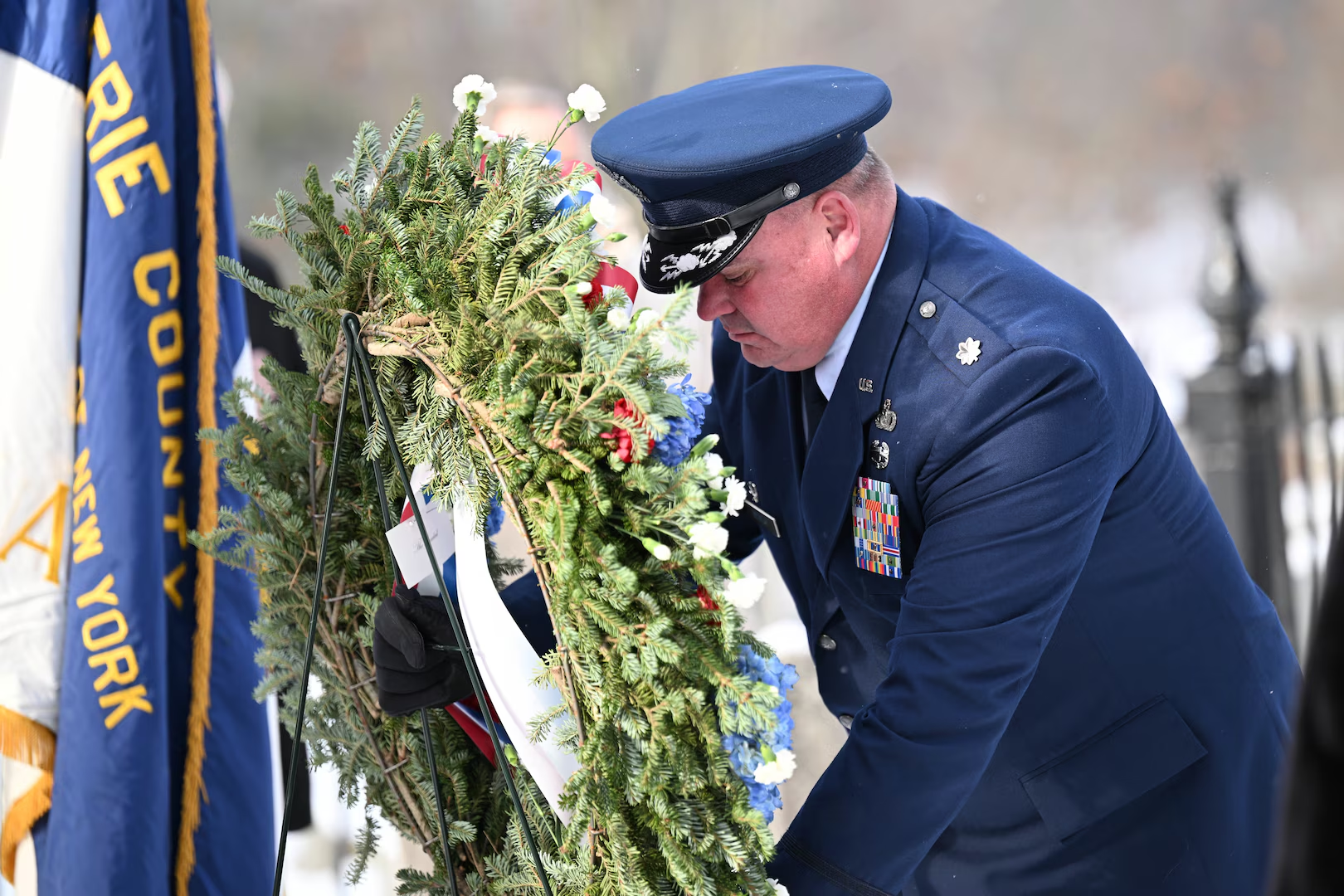
BUFFALO, N.Y.- The New York Air Guard’s 107th Attack Wing honored Millard Fillmore, the nation’s 13th president, as the wing’s mission support group commander laid a wreath at his grave Jan. 7.

Lt. Col. William Gourlay placed a wreath from President Joe Biden at Fillmore’s grave in Forest Lawn Cemetery.

Since 1967, when Lyndon B. Johnson was president, military officers have maintained the tradition of placing a wreath sent by the current occupant of the White House at the graves of former presidents on their birthdays.

“I love Buffalo history, and it was my honor to make the wreath presentation on behalf of the White House and our nation,” Gourlay said.

The 107th Attack Wing is based at Niagara Falls Air Reserve Station.

Descendants of Fillmore, who served from 1850 to 1853, members of the Buffalo Presidential Center, and local American Legion members looked on as Gourlay presented the wreath.

Fillmore had a profound, positive impact on the Buffalo community, and Forest Lawn continues to help commemorate his legacy, according to Julie Snyder, chief executive officer of Forest Lawn Cemetery.

“We are honored to receive the wreath every year and keep it here for the community to pay their respects and honor him this time every year,” Snyder said. “We’re very honored to be one of the 40 cemeteries across the country to have a home for a past president.”

New York National Guard officers also present wreaths at the graves of presidents Martin Van Buren, buried in the Hudson Valley village of Kinderhook, and Chester Arthur, buried in the Albany suburb of Menands.

Buffalo’s Forest Lawn Cemetery was established in 1849 and has over 175,000 burials.

Fillmore was born in Summerhill, New York, in 1800. He became a lawyer in 1823 and served as a member of Congress and then the comptroller of New York State. He was elected vice president in 1848 when Zachary Taylor ran for president. 

When Taylor died in 1850, Fillmore assumed the presidency. He was the last member of the Whig party to serve as president, and while many Whigs joined the new anti-slavery Republican Party, he refused to do so and ran for president in 1856 as the candidate of the Know Nothing Party.

As president, he backed the compromise of 1850 that admitted California to the union as a free state and banned the sale of enslaved people in the District of Columbia but also required federal officials to assist in catching runaway slaves.

The Fugitive Slave Act was deeply unpopular in the North and hurt Fillmore politically in his home state. He died of a stroke in 1874.


Happy 225th birthday, Millard Fillmore!

January 7, 2025

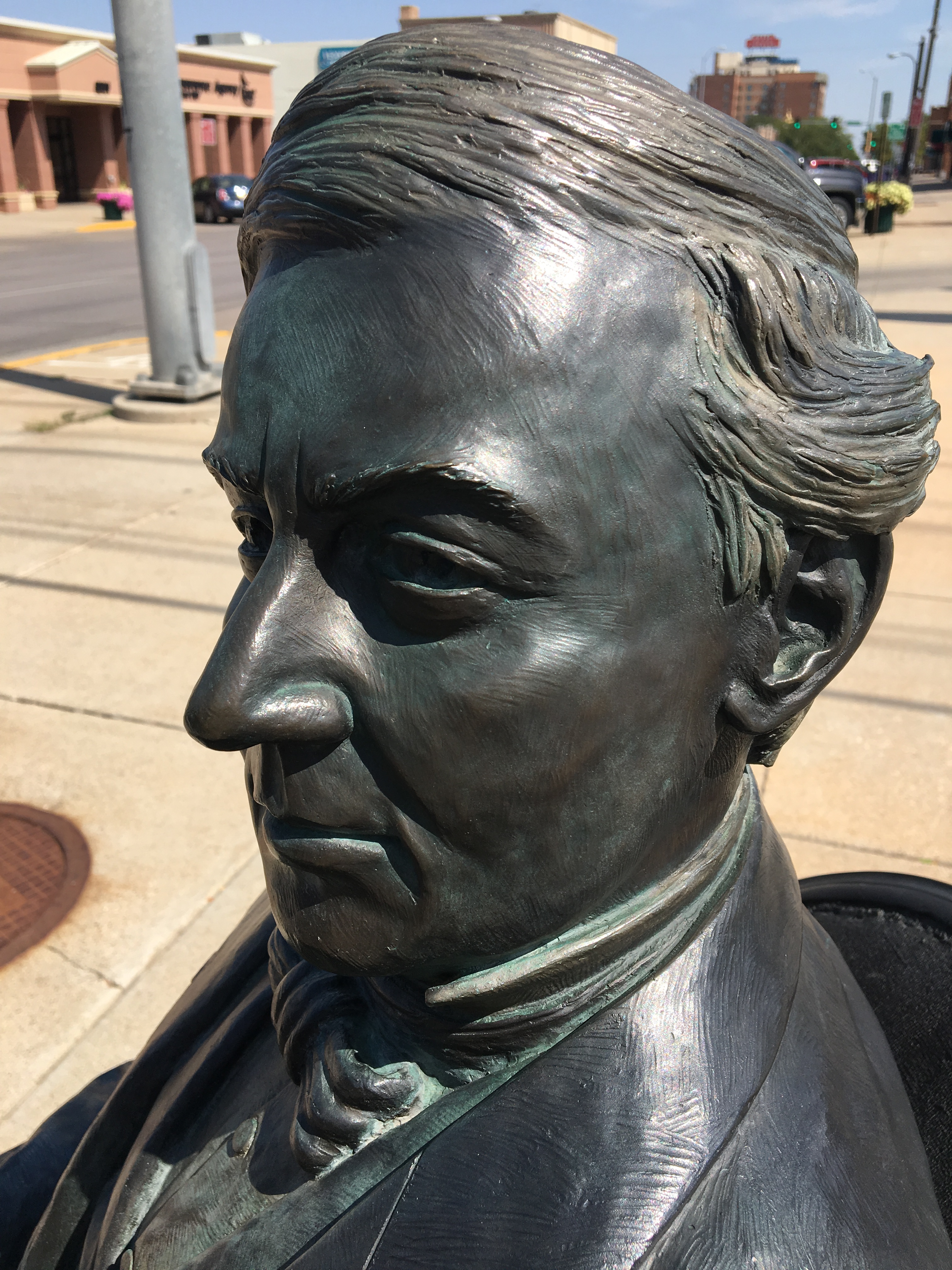
Millard Fillmore, bronzed, sitting at the corner of 9th and St. Joseph Streets in Rapid City, South Dakota. He still gets around. Photo by Ed Darrell. Please use.

Millard Fillmore, bronzed, sitting at the corner of 9th and St. Joseph Streets in Rapid City, South Dakota. He still gets around. Photo by Ed Darrell. Please use. Creative Commons copyright.

Millard Fillmore, our 13th President, was born on January 7, 1800.

That was 24 days after the death of our first President, George Washington.

Fillmore’s birthday isn’t such a big deal anymore, since fun organizers discontinued the bathtub races once word got out that the story of Millard Fillmore putting the first bathtub in the White House, is a hoax.

Historians from the University of Buffalo — an institution founded by Fillmore after his presidency — usually hold a graveside ceremony with speeches. In 2025, the celebration has been postponed to Sunday, January 12, due to weather.

It’s a shame, really. Fillmore is the victim of fake news, a hoax perpetrated by H. L. Mencken 108 years ago, in 1917. Mencken claimed, falsely, that Fillmore’s sole good, memorable deed was putting that fictitious bathtub in the White House. That story crowds out the real history, and any good Fillmore should be remembered for.

Fillmore did a few notable things as president.

  • Fillmore secured a steady supply of bird guano for the United States. Funny as that may be, the guano was essential for making gun powder, which in turn helped fuel the military might of the United States for years (including through the Civil War).
  • Millard Fillmore and his first wife, Abigail, read books all the time. Deprived of the opportunity of going to school much in his youth, Fillmore became an ardent reader, read for the law, became a lawyer, got into politics and was selected Vice President for President Zachary Taylor. When Taylor died (probably of typhoid) in 1850, Fillmore succeeded to the presidency. In the White House, the Fillmores found few books to read, and so established the White House Library. Say prayers that library survives the current president.
  • Fillmore thought globally, and he could see world trade as a huge opportunity for a young nation with a strong navy and army, and a lot of resources including intellectual capacity to manufacture things. Trade in the Pacific was problematic, and a large number of problems stemmed from Japan’s closing itself off from the world. Japan had coal, which could refuel steamships. Japan instead closed its ports. An occasional U.S. sailor would be executed if he washed up on Japanese shores. Fillmore sent a small fleet of “black ships” under Commodore Matthew Perry, to tell Japan it was time to open up to trade and assume its place among nations. Perry was successful, after a second visit and a small round of cannon fire. Japan became a strong economic power in the West Pacific, and in its march to glory decided to take over resources of several other Asian nations. We might say Fillmore started the slide to World War II in the Pacific.

History should be kept to accuracy. Mencken upset the ship of accuracy with his essay, and America has not recovered, nor has Millard Fillmore’s reputation. There’s a moral there: Don’t spread hoaxes; seek the truth, and glorify it. (Mencken apologized for the hoax, but too late.)

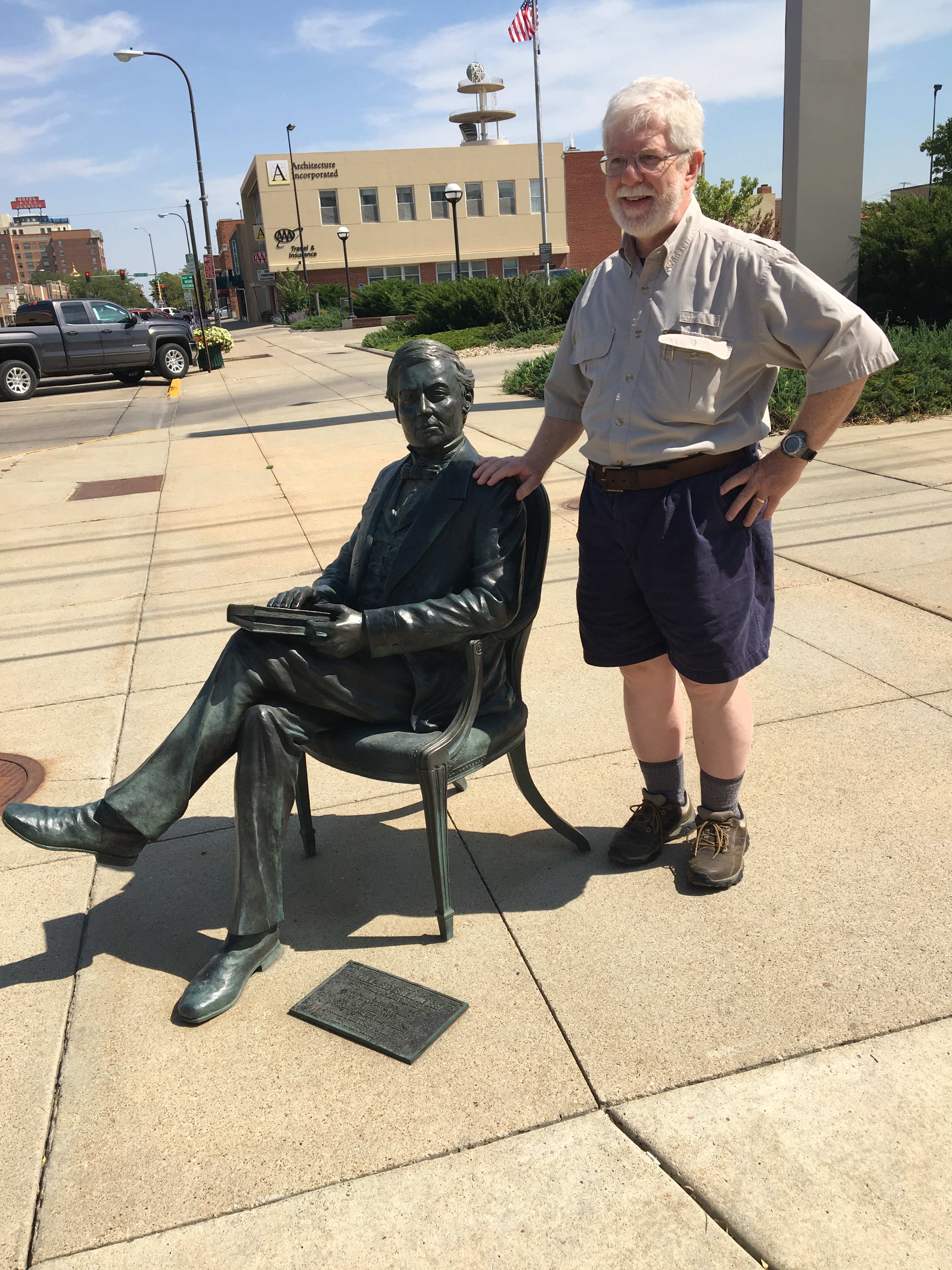
Rapid City, South Dakota, is a booming town. Mineral wealth and oil in the state combine with a nearby Air Force Base, great housing prices and good weather to benefit the town. One of its civic watchdogs got the idea of putting statues of all U.S. presidents on downtown corners. That is how Millard Fillmore comes to be seated with a book to read, at the corner of 9th Street and St. Joseph Street, where I met him in August 2017. Altogether a fun little history enterprise for Rapid City, very well executed, and worthy of a stop there if you’re passing by.

Perhaps someday Rapid City will take to decorating the statues on the birthdays of the men (so far!) represented. I hope they won’t be frozen out like Buffalo, New York, is, if they commemorate Millard Fillmore’s birthday.

We can reflect on happier times, when even our disrespected and forgotten presidents were good people who did great things.

Millard Fillmore and Ed Darrell meet, in Rapid City, South Dakota, August 2017

Millard Fillmore and Ed Darrell meet, in Rapid City, South Dakota, August 2017; photo by Kathryn Knowles

More:


Millard Fillmore’s bathtub, still grist for the almanacs.

July 9, 2024

Richard Daybell gets the details right — more carefully than most.


Biden delivers well, if not absolutely everything

January 17, 2022

President Joe Biden's administration sees powerful job growth.

President Joe Biden’s administration sees powerful job growth.

Found this on Twitter from Jason Looney (@jlooney2). He responded to a post by Republican National Chairman Ronna McDaniel.

Looney said:

Reality:

  • Fastest growing economy in history
  • 12 mo’s ago the unemployment rate was 6.7% today 3.9%

We’ve never seen anything like this, its the most jobs in any calendar year by any president in history.

Record GDP growth.

How? The American Rescue Plan and 200 million vax’d.

I have no great idea who Mr. Looney is. But he should look for a spot on a campaign communications team.

I wish that message were more widely known.


Lyndon Johnson’s birthday, August 27, 1908

August 27, 2021

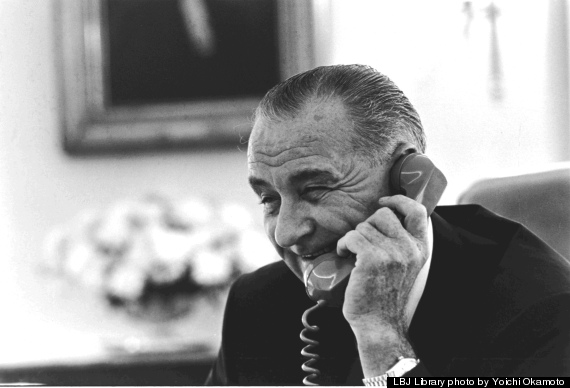
President Lyndon Johnson on the telephone, White House, September 10, 1965. LBJ Library photo by Yoichi Okamoto.

President Lyndon Baines Johnson was born August 27, 1908. One of the most active, ambitious and controversial presidents, he competes with James Madison for the title of “best legislator” among presidents. Today is his 113th birthday.

Several groups in Texas and Washington celebrate LBJ’s birthday each year, an event he always liked to keep festive, partly because he had a huge ego, and partly because he just loved a good time with friends and cake.

More:


Happy 220th birthday, Millard Fillmore!

January 7, 2020

Millard Fillmore, bronzed, sitting at the corner of 9th and St. Joseph Streets in Rapid City, South Dakota. He still gets around. Photo by Ed Darrell. Please use.

Millard Fillmore, bronzed, sitting at the corner of 9th and St. Joseph Streets in Rapid City, South Dakota. He still gets around. Photo by Ed Darrell. Please use. Creative Commons copyright.

Millard Fillmore, our 13th President, was born on January 7, 1800.

That was 24 days after the death of our first President, George Washington.

Fillmore’s birthday isn’t such a big deal anymore, since fun organizers discontinued the bathtub races once word got out that the story of Millard Fillmore putting the first bathtub in the White House, is a hoax.

Historians from the University of Buffalo — an institution founded by Fillmore after his presidency — usually hold a graveside ceremony with speeches. In 2020 the service was scheduled for 10:00 a.m. EST, at Fillmore’s grave. No news I can find about whether it occurred. The ceremony has been cancelled for snow, ice and cold in recent years. (About as cold as the response I get from the University of Buffalo when I ask for a copy of the speech or paper to publish here.)

It’s a shame, really. Fillmore is the victim of fake news, a hoax perpetrated by H. L. Mencken 100 years ago, in 1917. Mencken claimed, falsely, that Fillmore’s sole good, memorable deed was putting that fictitious bathtub in the White House. That story crowds out the real history, and any good Fillmore should be remembered for.

Fillmore did a few notable things as president.

  • Fillmore secured a steady supply of bird guano for the United States. Funny as that may be, the guano was essential for making gun powder, which in turn helped fuel the military might of the United States for years (including through the Civil War).
  • Millard Fillmore and his first wife, Abigail, read books all the time. Deprived of the opportunity of going to school much in his youth, Fillmore became an ardent reader, read for the law, became a lawyer, got into politics and was selected Vice President for President Zachary Taylor. When Taylor died (probably of typhoid) in 1850, Fillmore succeeded to the presidency. In the White House, the Fillmores found few books to read, and so established the White House Library. Say prayers that library survives the current president.
  • Fillmore thought globally, and he could see world trade as a huge opportunity for a young nation with a strong navy and army, and a lot of resources including intellectual capacity to manufacture things. Trade in the Pacific was problematic, and a large number of problems stemmed from Japan’s closing itself off from the world. Japan had coal, which could refuel steamships. Japan instead closed its ports. An occasional U.S. sailor would be executed if he washed up on Japanese shores. Fillmore sent a small fleet of “black ships” under Commodore Matthew Perry, to tell Japan it was time to open up to trade and assume its place among nations. Perry was successful, after a second visit and a small round of cannon fire. Japan became a strong economic power in the West Pacific, and in its march to glory decided to take over resources of several other Asian nations. We might say Fillmore started the slide to World War II in the Pacific.

History should be kept to accuracy. Mencken upset the ship of accuracy with his essay, and America has not recovered, nor has Millard Fillmore’s reputation. There’s a moral there: Don’t spread hoaxes; seek the truth, and glorify it. (Mencken apologized for the hoax, but too late.)

Rapid City, South Dakota, is a booming town. Mineral wealth and oil in the state combine with a nearby Air Force Base, great housing prices and good weather to benefit the town. One of its civic watchdogs got the idea of putting statues of all U.S. presidents on downtown corners. That is how Millard Fillmore comes to be seated with a book to read, at the corner of 9th Street and St. Joseph Street, where I met him in August 2017. Altogether a fun little history enterprise for Rapid City, very well executed, and worthy of a stop there if you’re passing by.

Perhaps someday Rapid City will take to decorating the statues on the birthdays of the men (so far!) represented. I hope they won’t be frozen out like Buffalo, New York, is, if they commemorate Millard Fillmore’s birthday.

We can reflect on happier times, when even our disrespected and forgotten presidents were good people who did great things.

Millard Fillmore and Ed Darrell meet, in Rapid City, South Dakota, August 2017

Millard Fillmore and Ed Darrell meet, in Rapid City, South Dakota, August 2017; photo by Kathryn Knowles

More:


Nate White’s stunning answer to the question: Why do many British people not like Donald Trump?

June 24, 2019

It was a question asked on Quora last February 12 [2019]: Why do many British people not like Donald Trump?

Nate White is a London-based copy writer — that is, advertising guy. His Quora profile says, “Drinks coffee. Writes copy.” Nate took a swing at answering the question, and knocked that ball into orbit.

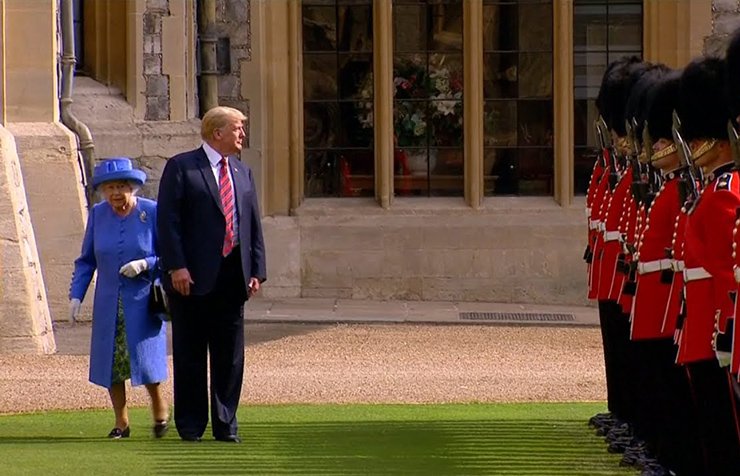
The 90 year-old Queen is forced to go around our idiot President,
who doesn’t even know how to walk properly.” (The Wow Report)

Sadly, for some reason the thread has been deleted from Quora (threats from Trump’s side?) Several people were inspired to preserve it on blogs and in other forms. Ronald Lebow (@RonaldLebow) posted the piece in a series of Tweets, a thread, recently, and I finally found the entire piece from which I had seen only parts quoted before.

Here is Nate White’s answer to the question, “Why do some British people not like Donald Trump.” It’s written so well, so strongly, that I wonder whether an intelligent rebuttal could ever be done.

A few things spring to mind…

Trump lacks certain qualities which the British traditionally esteem.

For instance, he has no class, no charm, no coolness, no credibility, no compassion, no wit, no warmth, no wisdom, no subtlety, no sensitivity, no self-awareness, no humility, no honour and no grace – all qualities, funnily enough, with which his predecessor Mr. Obama was generously blessed.

So for us, the stark contrast does rather throw Trump’s limitations into embarrassingly sharp relief.

Plus, we like a laugh. And while Trump may be laughable, he has never once said anything wry, witty or even faintly amusing – not once, ever.

I don’t say that rhetorically, I mean it quite literally: not once, not ever. And that fact is particularly disturbing to the British sensibility – for us, to lack humour is almost inhuman.

But with Trump, it’s a fact. He doesn’t even seem to understand what a joke is – his idea of a joke is a crass comment, an illiterate insult, a casual act of cruelty.

Trump is a troll.

And like all trolls, he is never funny and he never laughs; he only crows or jeers.

And scarily, he doesn’t just talk in crude, witless insults – he actually thinks in them. His mind is a simple bot-like algorithm of petty prejudices and knee-jerk nastiness.

There is never any under-layer of irony, complexity, nuance or depth. It’s all surface.

Some Americans might see this as refreshingly upfront.

Well, we don’t. We see it as having no inner world, no soul.

And in Britain we traditionally side with David, not Goliath. All our heroes are plucky underdogs: Robin Hood, Dick Whittington, Oliver Twist.

Trump is neither plucky, nor an underdog. He is the exact opposite of that.

He’s not even a spoiled rich-boy, or a greedy fat-cat.

He’s more a fat white slug. A Jabba the Hutt of privilege.

And worse, he is that most unforgivable of all things to the British: a bully.

That is, except when he is among bullies; then he suddenly transforms into a snivelling sidekick instead.

There are unspoken rules to this stuff – the Queensberry rules of basic decency – and he breaks them all. He punches downwards – which a gentleman should, would, could never do – and every blow he aims is below the belt. He particularly likes to kick the vulnerable or voiceless – and he kicks them when they are down.

So the fact that a significant minority – perhaps a third – of Americans look at what he does, listen to what he says, and then think

‘Yeah, he seems like my kind of guy’

is a matter of some confusion and no little distress to British people, given that:

Americans are supposed to be nicer than us, and mostly are.

You don’t need a particularly keen eye for detail to spot a few flaws in the man.

This last point is what especially confuses and dismays British people, and many other people too; his faults seem pretty bloody hard to miss.

After all, it’s impossible to read a single tweet, or hear him speak a sentence or two, without staring deep into the abyss. He turns being artless into an art form;

He is a Picasso of pettiness; a Shakespeare of shit.

His faults are fractal: even his flaws have flaws, and so on ad infinitum.

God knows there have always been stupid people in the world, and plenty of nasty people too. But rarely has stupidity been so nasty, or nastiness so stupid.

He makes Nixon look trustworthy and George W look smart.

In fact, if Frankenstein decided to make a monster assembled entirely from human flaws – he would make a Trump.

And a remorseful Doctor Frankenstein would clutch out big clumpfuls of hair and scream in anguish:

‘My God… what… have… I… created?’

If being a twat was a TV show, Trump would be the boxed set.

Nate White, answering a question on Quora
Brits fly a Trump Baby balloon over London which makes the POTUS “feel unwelcome.”
(Photo, YouTube; T/Y Michaelam via The Wow Report)

Quora offers no explanation for why the question was taken down from its forums. I’ve found nothing to suggest Mr. White had pangs of remorse. If you have more details, please let us know, in comments.


April 4, 1841: William Henry Harrison became first President to die in office

April 4, 2019

William Henry Harrison died on April 4, 1841, 31 days after his inauguration as president of the United States.

Perhaps during the cold and rainy inauguration in which Harrison delivered the longest speech in inauguration history, perhaps from a well-wisher, Harrison caught a cold. The cold developed into pneumonia. Perhaps the pneumonia killed him.

Or, perhaps he caught typhoid fever from the notoriously bad water at the White House in 1841. Modern historians and medical specialists suspect Harrison had some form of typhoid, and not pneumonia from a cold. It’s likely his physicians at the time did everything just wrong to treat typhoid, much as George Washington’s physicians probably killed him 42 years earlier.

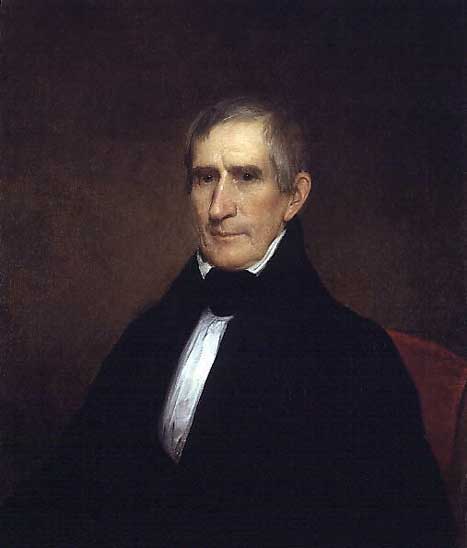
Harrison may have been the first president photographed, with a portrait taken in 1841, about four years after photography was invented. But the photo didn’t survive, and Harrison didn’t live for another sitting. Oil paintings and engravings are what we have of Harrison. Caption from Smithsonian: William Henry Harrison / Albert Gallatin Hoit / Oil on canvas, 1840 / National Portrait Gallery, Smithsonian Institution

Any way it went down, Vice President John Tyler succeeded to fill 47 months of Harrison’s 48-month term.

Harrison, a Whig, was the first president to die in office. His vice president, John Tyler, was a converted Democrat who quickly abandoned the Whig platform as president.

Harrison won fame pushing Indians off of lands coveted by white settlers in the Northwest Territories. Harrison defeated Tecumseh’s Shawnee tribe (without Tecumseh) at the Battle of Tippecanoe, then beat Tecumseh in a battle with the English in which Tecumseh died, in the War of 1812.

Schoolchildren of my era learned Harrison’s election slogan: “Tippecanoe, and Tyler, too!” Schoolchildren should learn that slogan today, too, as a touchstone to 19th century history and presidential politics. Some say it was the first slogan used by a candidate for president. See Mo Rocca’s piece for CBS Sunday Morning.

On Harrison’s death, Tyler found himself in uncharted territories. While the Constitution and the title suggested a vice president would fill in for a president when the president was absent, the Constitution did not explicitly say the vice president would succeed to the presidency if the president should die. There was some controversy at the time, about whether Tyler should act as caretaker until a new, special election was called.

Tyler took the oath of office as president, effectively putting the controversy to bed. No one sued to stop him. Tyler established the precedent of peaceful and quick transition of power to the vice president, upon the death of a president

Congress voted Harrison’s widow a one-time payment of $25,000, since he had died nearly penniless. This may be the first example of a president or his survivors getting a payment from the government after leaving office. It’s a precedent Congress didn’t quite follow through on, and presidents left office without pensions for many more years, a story told with pain about the later years and death of President U. S. Grant.

In the annals of brief presidencies, there is likely to be none shorter than Harrison’s for a long time. As you toast him today, you can honestly say he did not overstay his White House tenure. Others could have learned from his example.

No president had died in office before; all the pomp and ceremony for a president’s funeral had to be invented when William Henry Harrison died, just 31 days into his administration. Proper music included a funeral dirge composed by Henry Dielman, cover shown here from the collection of the White House Historical Association.

More:


Happy birthday John Tyler (b. March 29, 1790)

March 28, 2019

In recitations of the presidents, some people forget Millard Fillmore, some forget Chet Arthur, and some forget John Tyler — which should be amusing, because Tyler served much longer than the man on whose ticket he was elected Vice President, and who died making Tyler the President.

In any case, our 10th President, John Tyler, was born on March 29, 1790, 229 years ago.


A restored daguerreotype of John Tyler in his later years, between 1855 and his death in 1862. Tyler assumed the presidency in 1841, just four years after photography was popularly invented. Very few photos of him are known to exist, all in formal poses. Wikimedia image from the Library of Congress collection of photographs.

Tyler was elected Vice President on the ticket with the hero of the Battle of Tippecanoe, William Henry Harrison. Harrison caught cold perhaps during the inauguration on a cold March morning. The cold turned to pneumonia and Harrison died with just 31 days of service, on April 4, 1841.

No president had died in office before. There was some confusion about whether Tyler would simply hold the office until a new election, or take the presidency and fill out the term. Tyler’s political genius may have been in having himself sworn in as president quickly, quashing much of the debate before opposition could muster.

But Tyler, a Whig, fell out of favor with his own party. He served one term. Tyler opposed key Whig Party policies, it turned out, and he lost favor with Whig giant Henry Clay.

A Virginian, Tyler tried to get a compromise on secession before the Civil War, but failed. He died in 1862, a member of the Confederate States’ House of Representatives. (Was he the only past President or Vice President to join the Confederacy? We need some research.)

More:


Happy birthday Andrew Jackson, b. March 15, 1767

March 16, 2019

Andrew Jackson was our 7th President, following John Quincy Adams. He was born before the American Revolution, on March 15, 1767.

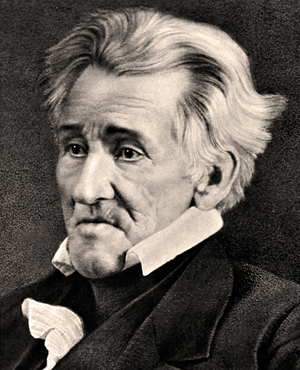
From the National Archives, a photo of Andrew Jackson in his later years, by Matthew Brady.

January 9 was Richard Nixon’s 106th birthday

January 11, 2019

[We’ve been preoccupied here in Bathtubland, with family issues; but somehow I let Richard Nixon’s birthday go by without a comment. We really need to remember Nixon now, and why he left the presidency early. So, a couple days late.]

President Richard Milhous Nixon was born in Yorba Linda, California, on January 9, 1913.

Interesting to see so little public acknowledgement of Nixon’s presidency and his trials and vexations, which history offers insight and perhaps solutions to problems the nation has today.

Some views of Richard Nixon.

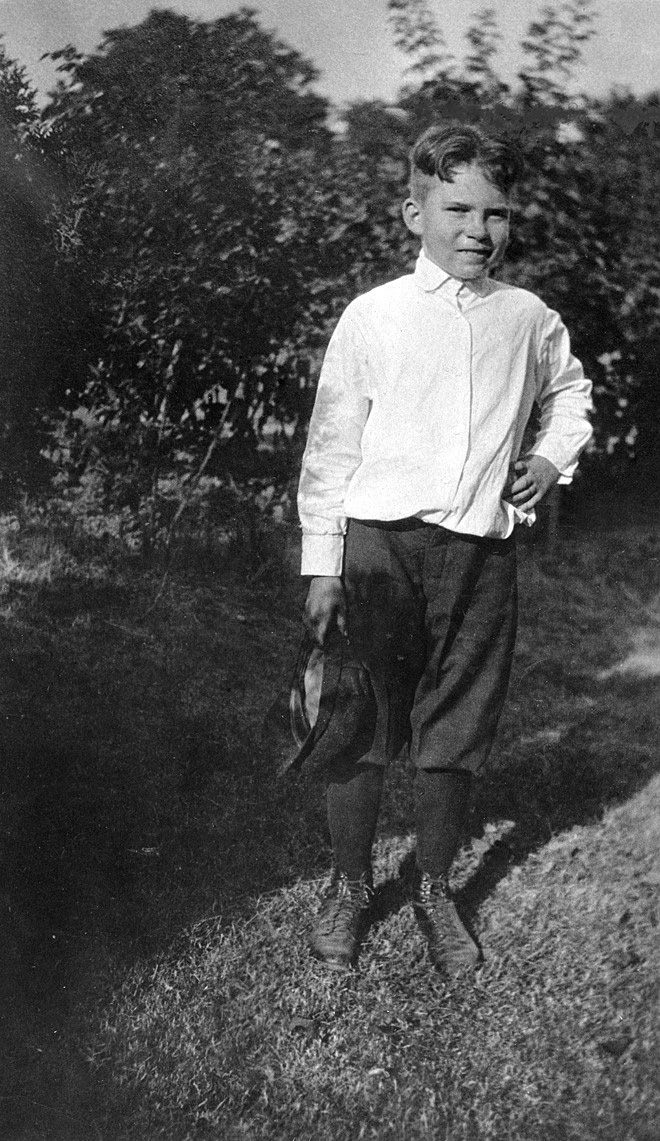
National Archives and Records Administration image: Nine-year old Richard Nixon in Yorba Linda, 1922. National Archives Identifier: 306-PSD-68-3769.

National Archives and Records Administration image: Nine-year old Richard Nixon in Yorba Linda, 1922. National Archives Identifier: 306-PSD-68-3769.

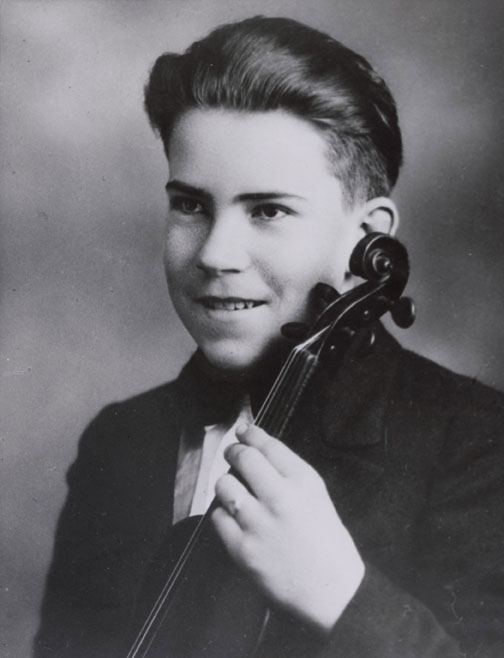
Richard Nixon, age 15, holding his violin, ca 1927-1928. Richard Nixon learned to play the violin, clarinet, saxophone, piano, and the accordion. When he was 12, Richard was sent to live and study music with his mother’s sister in central California. He returned home six months later and eventually discontinued his studies, but his love of music continued. Richard Nixon Presidential Library & Museum.

Richard Nixon, age 15, holding his violin, ca 1927-1928. Richard Nixon learned to play the violin, clarinet, saxophone, piano, and the accordion. When he was 12, Richard was sent to live and study music with his mother’s sister in central California. He returned home six months later and eventually discontinued his studies, but his love of music continued. Richard Nixon Presidential Library & Museum.

Richard Nixon with two friends, Fullerton High School, Fullerton, CA, circa 1929. (Surely someone could identify the other two men. I wonder who they are? What happened to them?) Richard Nixon Presidential Library & Museum Identifier: WHPO-B-0199.

Richard Nixon with two friends, Fullerton High School, Fullerton, CA, circa 1929. (Surely someone could identify the other two men. I wonder who they are? What happened to them?) Richard Nixon Presidential Library & Museum Identifier: WHPO-B-0199.

1945 photograph of Lt. Commander Richard Nixon wearing his Navy uniform. When Richard Nixon ran for Congress in 1946 he wore his Navy uniform as he declared at the time that he did not have a civilian suit. Richard Nixon Presidential Library and Museum, used with permission of the Richard Nixon Foundation and Julie Nixon Eisenhower.

1945 photograph of Lt. Commander Richard Nixon wearing his Navy uniform. When Richard Nixon ran for Congress in 1946 he wore his Navy uniform as he declared at the time that he did not have a civilian suit. Richard Nixon Presidential Library and Museum, used with permission of the Richard Nixon Foundation and Julie Nixon Eisenhower.

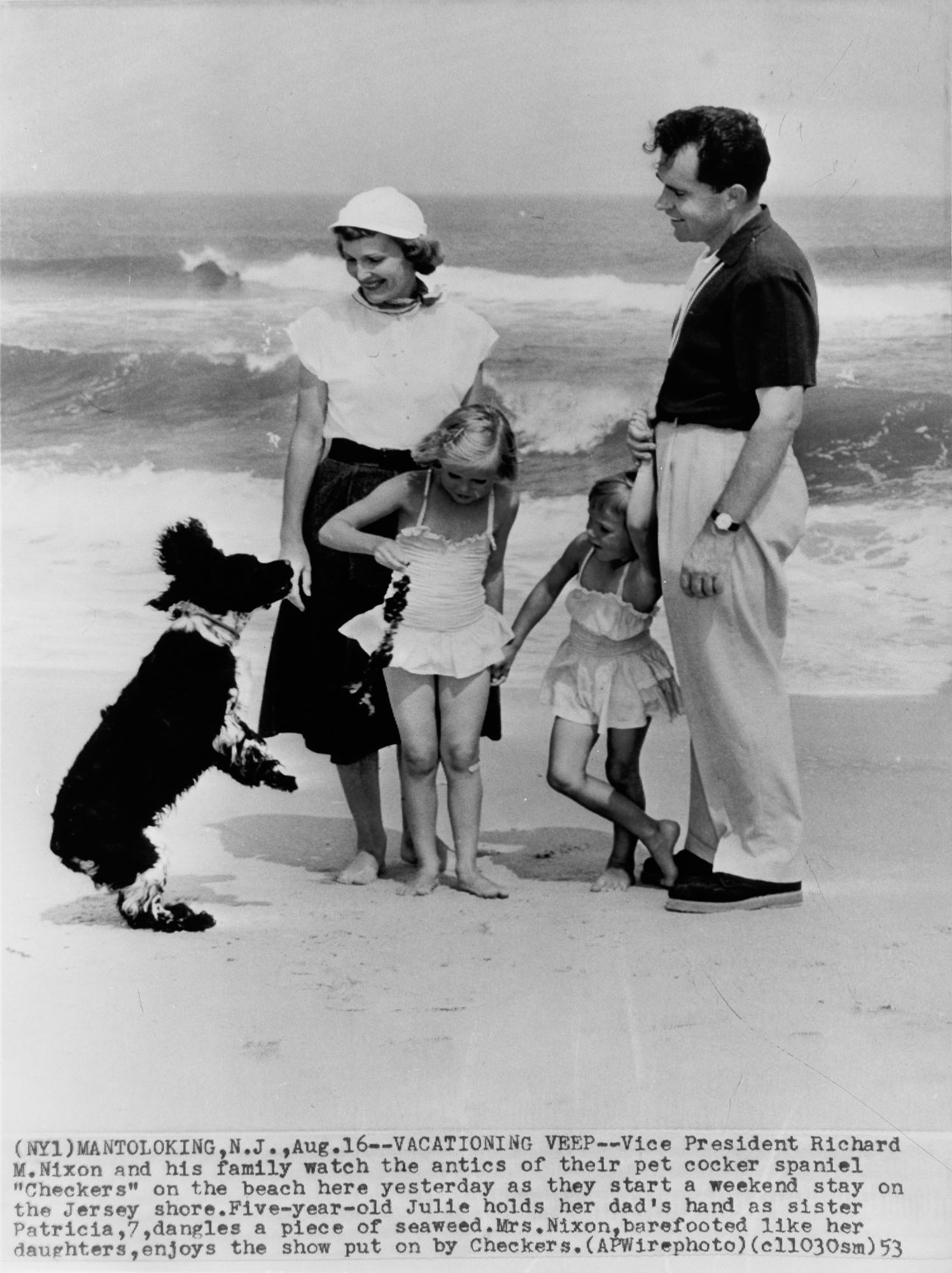
Vice-President Richard Nixon, with wife Pat and daughters Tricia and Julie, watch the antics of their pet cocker spaniel

Vice-President Richard Nixon, with wife Pat and daughters Tricia and Julie, watch the antics of their pet cocker spaniel “Checkers” while on a weekend visit to the Jersey Shore in Mantoloking, NJ, August 16, 1953. Richard Nixon Presidential Library and Museum, used with permission of the Richard Nixon Foundation and Julie Nixon Eisenhower.

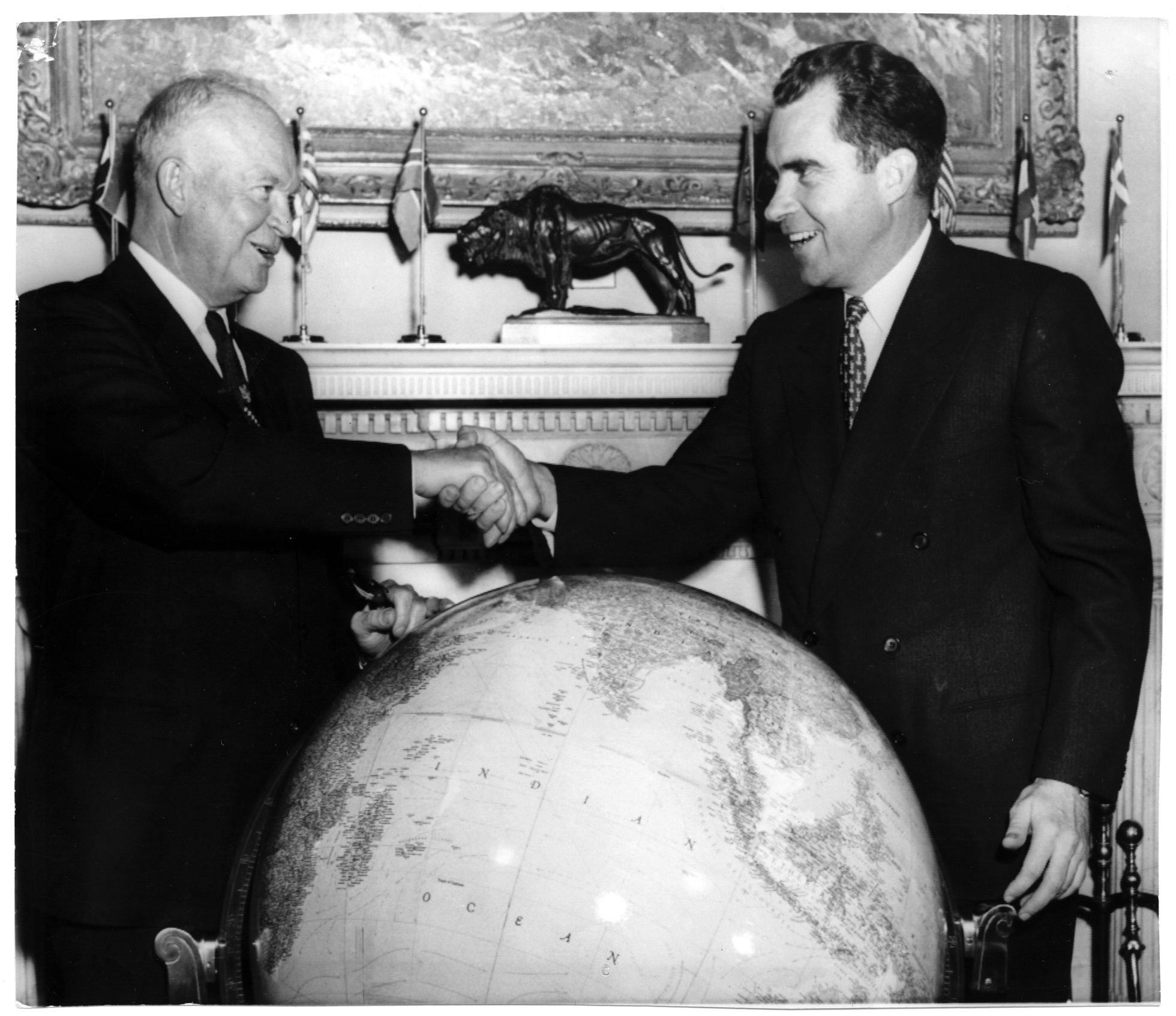
President Dwight D. Eisenhower and Vice President Richard Nixon at the White House before the Vice President’s Ambassador of Goodwill tour departure to the Far East, October 5, 1953. Richard Nixon Presidential Library and Museum, used with permission of the Richard Nixon Foundation and Julie Nixon Eisenhower.

President Dwight D. Eisenhower and Vice President Richard Nixon at the White House before the Vice President’s Ambassador of Goodwill tour departure to the Far East, October 5, 1953. Richard Nixon Presidential Library and Museum, used with permission of the Richard Nixon Foundation and Julie Nixon Eisenhower.

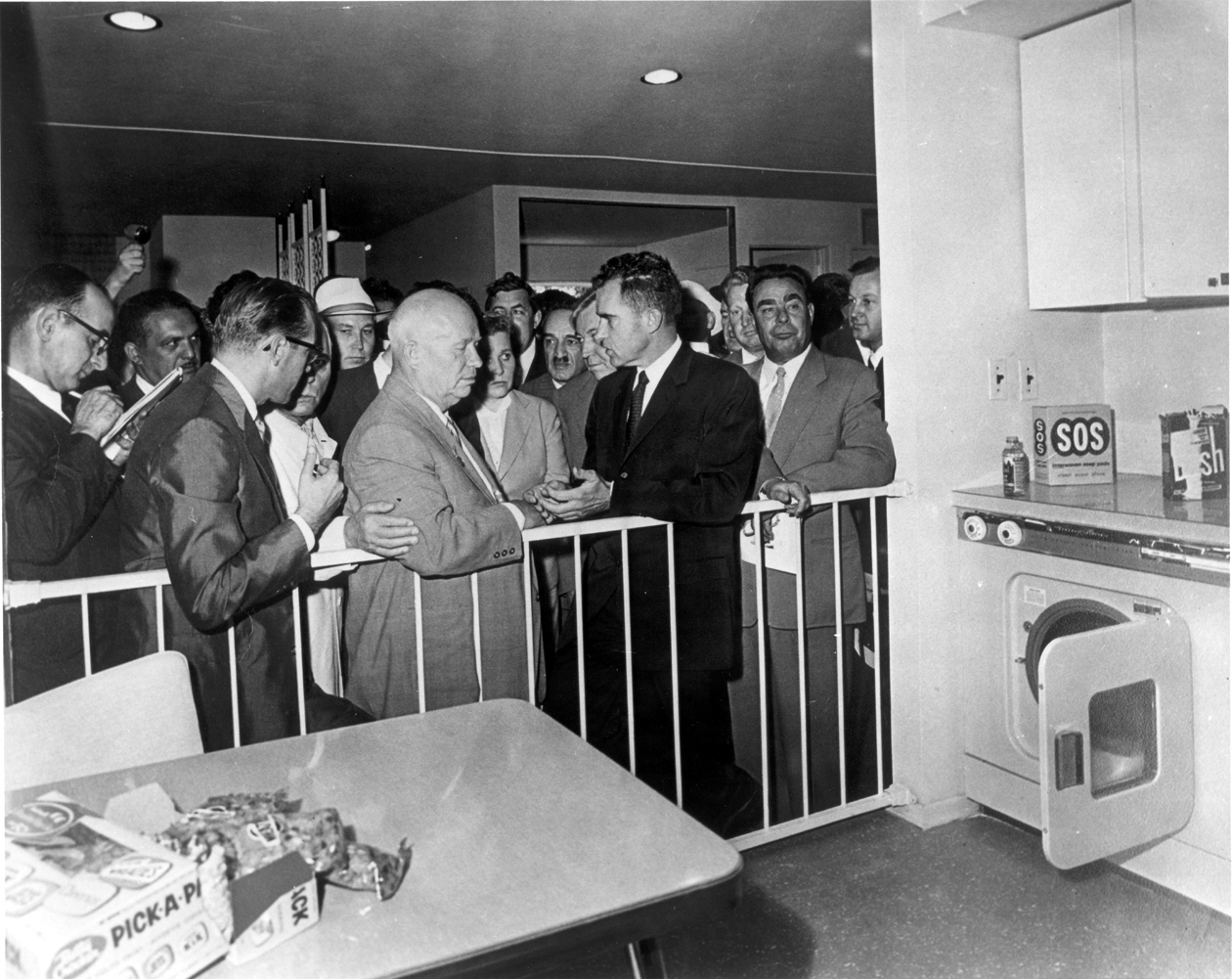
Vice-President Nixon spars with Premier Khrushchev before reporters and onlookers, including Politburo member Leonid Brezhnev at the American National Exhibition at Sokolniki Park, in Moscow, 1959. Nixon and Khrushchev are photographed in front of a kitchen display – the impromptu exchanges came to be known as the Kitchen Debate, July 24, 1959. Richard Nixon Presidential Library and Museum, used with permission of the Richard Nixon Foundation and Julie Nixon Eisenhower.

Vice-President Nixon spars with Premier Khrushchev before reporters and onlookers, including Politburo member Leonid Brezhnev at the American National Exhibition at Sokolniki Park, in Moscow, 1959. Nixon and Khrushchev are photographed in front of a kitchen display – the impromptu exchanges came to be known as the Kitchen Debate, July 24, 1959. Richard Nixon Presidential Library and Museum, used with permission of the Richard Nixon Foundation and Julie Nixon Eisenhower.

Nixon’s life offers many interesting twists and turns. His Watergate scandal rather overshadows much of the rest — I think high school textbooks do not spend enough time on telling why Nixon was considered a good candidate for the presidency after losing to John F. Kennedy in the 1960 election, nor do they dwell enough on the effect of the Cold War on his career, and his effect on the Cold War. Check your kid’s U.S. history book — is the Kitchen Debate even mentioned?

Nixon would have been 105 years old on January 9. We might pause to reflect, and learn, from his life and trials.

More:

A wreath-laying ceremony commemorating President Richard Nixon’s 105th birthday is moved indoors because of rain. The wreath was placed by a large photo of the 37th president in Yorba Linda on Tuesday, Jan 9, 2018. (Photo by Mindy Schauer, Orange County Register/SCNG)

Orange County Register caption: A wreath-laying ceremony commemorating President Richard Nixon’s 105th birthday is moved indoors because of rain. The wreath was placed by a large photo of the 37th president in Yorba Linda on Tuesday, Jan 9, 2018. (Photo by Mindy Schauer, Orange County Register/SCNG)


Happy 219th birthday, Millard Fillmore!

January 7, 2019

Millard Fillmore, future 13th President of the United States, was born on January 7, 1800, in upstate New York.

Victim of one of the most infamous hoaxes in history, Millard Fillmore’s good works are often forgotten.

It’s that hoax that gives the name to this blog, and preventing or stopping other similar hoaxes which is the hope of the author.

In the past 50 years residents of Buffalo revived the reputation of Fillmore, and started a tradition of celebrating his birthday.

Trumpeter plays taps at the grave site of President Millard Fillmore in Buffalo, New York's Forest Lawn Cemetery, with a military honor guard and dignitaries from the University of Buffalo, which traces its founding to Fillmore. This is a Buffalo News photo of an earlier celebration, perhaps 2015.

Trumpeter plays taps at the grave site of President Millard Fillmore in Buffalo, New York’s Forest Lawn Cemetery, with a military honor guard and dignitaries from the University of Buffalo, which traces its founding to Fillmore. This is a Buffalo News photo of an earlier celebration, perhaps 2015.

But so far as I have found, no bathtub races occurred this year.

More:


Flag respect on display for Ford funeral; same for Bush

December 5, 2018

Actions convey messages. Actions communicate. How one acts in regarding the U.S. flag, at different times when action is required, tells something about character — whether one was even paying attention when respect for the flag, and the ideals it portrays, was explained.

President Ford's casket in the Capitol Rotunda - photo by Todd Heisler, NY Times

President Ford’s casket lies in the rotunda of the U.S. Capitol. New York Times photo by Todd Heisler.

Back in early 2007 I discussed some of the flag etiquette we saw at the funeral of President Gerald R. Ford. We see these things again at the funeral of President George H. W. Bush. Let’s repeat the observations.

Here are a few things you may have observed during the services for President Ford, which you may observe again at the funeral of George H. W. Bush, with minor edits:

1. On his coffin, the U.S. flag’s union will always be over President Bush’s left shoulder. This is a reversal from the usual display method for the flag; in display on a wall, the field should always be in the upper left as one observes it, the “northwest” corner (as if looking at a map); on a coffin, that would put the flag over the person’s right shoulder. Instead, on a coffin the flag is draped so the union is over the left shoulder, usually explained as being over the soldier’s heart. Also, note that a flag-draped casket should be carried foot first to the grave.

2. Since Bush is a military veteran, the flag should accompany the casket to the grave, but not into it (I believe this applies also to presidents if they did not serve, but in any case it applies to Bush). The flag will be folded in the traditional seafaring triangle fold, and presented to the Bush family before the casket is lowered into the grave.

3. When the flag is folded at the cemetery, watch how carefully the military people will work to get each fold just right. Their goal is a perfect fold, which will leave only the blue field of stars from the union showing, in a triangular fold. To get it right, the color guard (pall bearers, I presume in this case) will take its time. Occasionally the flag team will halt and unfold the flag, and refold, if the process is not proceeding just exactly right. But that is rare; the flag folding team sacrifices speed, for care. If the ceremony proceeds very quickly, I would be surprised.

4. It is unlikely that there will be any ceremonial reading during the folding of the flag. Any reading given, however, would be selected by the family. In the past couple of decades, presidential funerals have been planned out well in advance of the event. Differences between Bush’s funeral in 2018, Ford’s funeral in 2007 and Reagan’s funeral in 2004, are due to the different plans of the families, not due to any formal procedure required by U.S. law or tradition. We’re a democratic nation, and such ceremonies are not sacred writ. (I have written here before about the mistaken idea that there is an “official” flag folding ceremony with specific meaning given to each of the 13 foldings of the flag; there is no official ceremony. There is no official meaning ascribed to the folding of the flag; the triangular fold is a convenience at sea, where flags folded into the triangle will unfurl without fouling or snagging as they rise up the mast. We continue that tradition on land.)

In general, the flag will be treated respectfully. Do not expect to see a lot of flag waving during the service. When the flag is present, it will be treated soberly, with care, with special attention to getting official ceremonial details correct.

Students, Girl Scouts and Boy Scouts should pay attention.

  • Associated Press photo by Lawrence Jackson. Telephoto showing some of the 50 flags surrounding the Washington Monument flying at half-mast in honor of the late President Gerald Ford, with the dome of the U.S. Capitol in the background. The Capitol is more than a mile away from the Washington Monument; compression of the images by the telephoto lens makes the dome appear much closer.

Flags fly at half staff in honor of former President Gerald Ford at the Washington Monument, with the U.S. Capitol in the background, on Dec. 27, 2006. Ford will lie in state in the Capitol before burial in Grand Rapids, Mich. Credit: AP Photo/Lawrence Jackson

Flags fly at half staff in honor of former President Gerald Ford at the Washington Monument, with the U.S. Capitol in the background, on Dec. 27, 2006. Ford will lie in state in the Capitol before burial in Grand Rapids, Mich. Credit: AP Photo/Lawrence Jackson

Minor update: The Coeur d’Alene, Idaho, Press has an informative article about flag etiquette in this situation, here.

See also:

2018 update: President George H. W. Bush’s casket lies in state, in the rotunda of the U.S. Capitol, on the catafalk originally constructed to hold the casket of President Abraham Lincoln.

 Members of the public view the casket containing former President George H.W. Bush's remains as he lies in state in the U.S. Capitol Rotunda on Monday night. Cameron Pollack/NPR

“Members of the public view the casket containing former President George H.W. Bush’s remains as he lies in state in the U.S. Capitol Rotunda on Monday night. Cameron Pollack/NPR.” Compare with the photo of President Ford’s casket, in the photo at the top of this post.


O.K? It’s Martin van Buren’s birthday, December 5

December 5, 2018

Former President Martin van Buren, circa 1855-1888. Matthew Brady photograph (Imperial print of Martin Van Buren. Salted paper print from glass negative. Provenance from W.H. Lowdermilk & Co., Rare Books, 1418 F Street, Washington, DC) Metropolitan Museum image, via Wikimedia

Former President Martin van Buren, circa 1855-1888. Matthew Brady photograph (Imperial print of Martin Van Buren. Salted paper print from glass negative. Provenance from W.H. Lowdermilk & Co., Rare Books, 1418 F Street, Washington, DC) Metropolitan Museum image, via Wikimedia

Martin van Buren was our nation’s 8th president, serving one term, 1837-1841.

This photo is roughly 15 years after van Buren left office, taken in the Washington, D.C., studio of Matthew Brady, whose photography gained fame from his work photographing battle sites during the American Civil War.

Martin van Buren was born December 5, 1782, in Kinderhook, New York. He is the only president to have the first name Martin. He’d be 236 years old today, and still king of the mutton chop sideburns among presidents.

One the grammar school myths of Van Buren is that the initials for his nickname, “Old Kinderhook,” are the origins of the term “O.K.”

Van Buren died on July 24, 1862.

More:

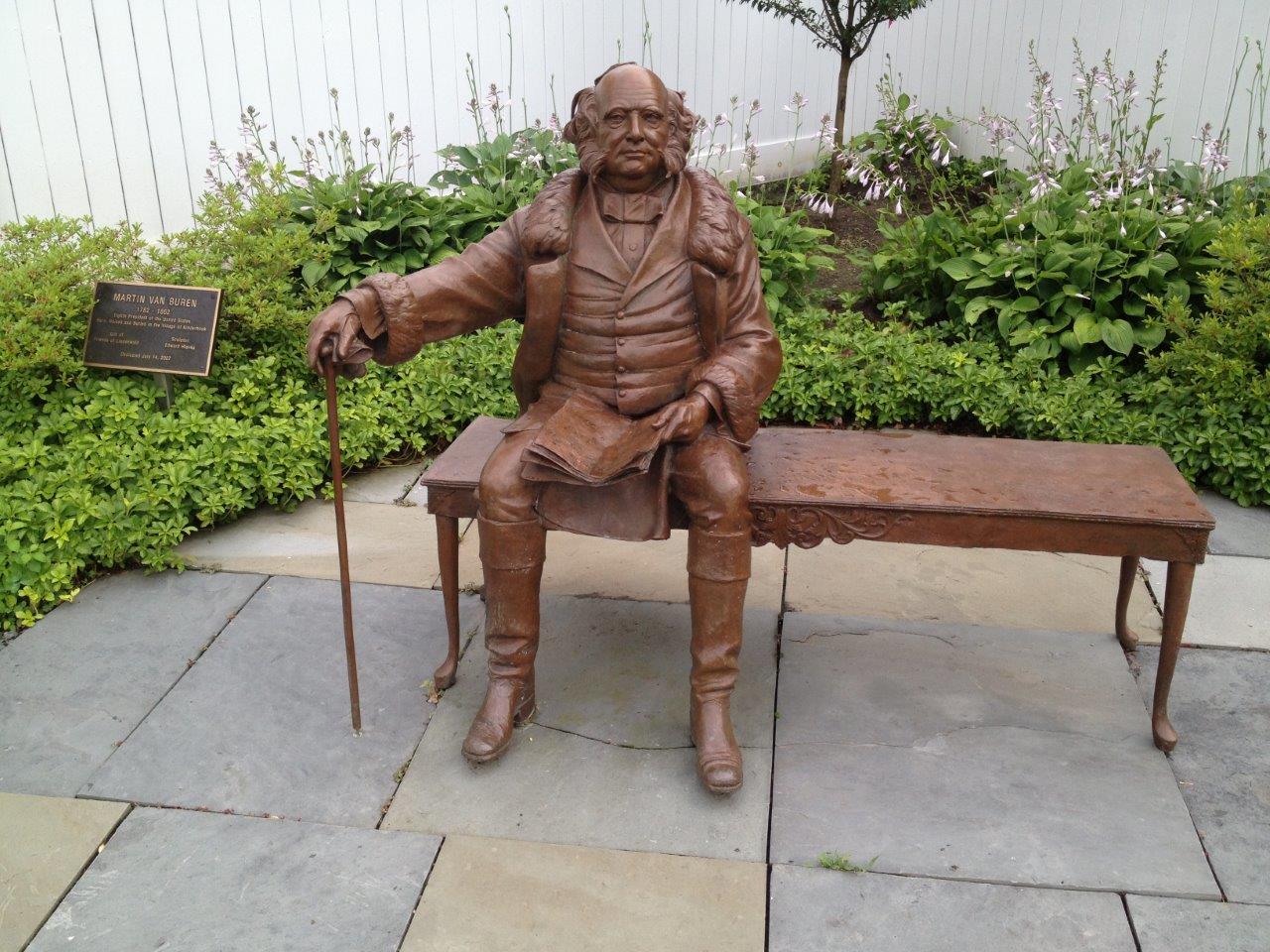
At Broad and Hudson Streets in Kinderhook, New York, one can sit with a statue of Martin Van Buren, and see if one can decipher the newspaper he is reading. PresidentsUSA image

At Broad and Hudson Streets in Kinderhook, New York, one can sit with a statue of Martin Van Buren, and see if one can decipher the newspaper he is reading. PresidentsUSA image