John Adams, by By John Trumbull, 1793. National Portrait Gallery, Smithsonian Institution
“The Second Day of July 1776 will be the most memorable Epocha, in the History of America. . . . It ought to be solemnized with Pomp and Parade, with Shews, Games, Sports, Guns, Bells, Bonfires, and Illuminations from one End of this Continent to the other from this Time forward forever more.” — John Adams to Abigail Adams, July 3, 1776
Surely John Adams knew that July 4 would be Independence Day, didn’t he?
In writing to his wife Abigail on July 3, 1776, John Adams committed one of those grand errors even he would laugh at afterward. We’ll forgive him when the fireworks start firing.
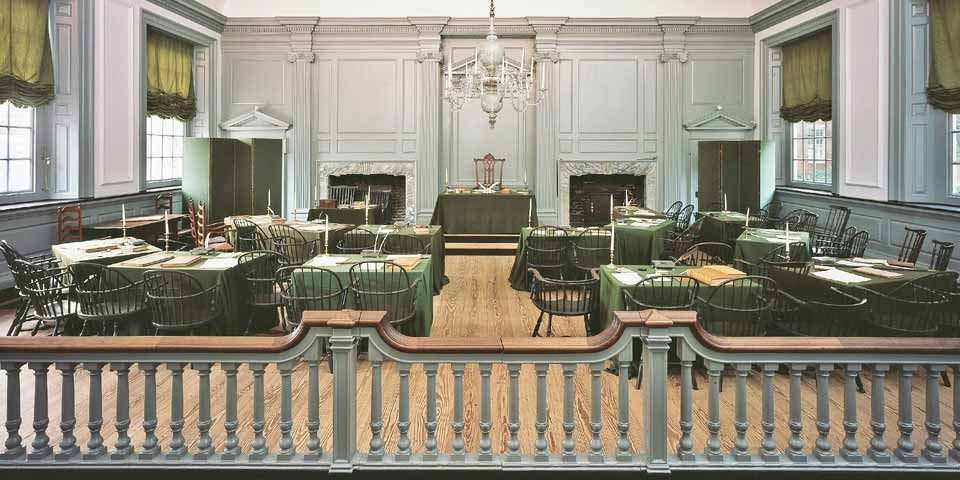
Scene of the crime — Independence Hall in Philadelphia, where the Second Continental congress approved the resolution to declare the colonies independent from Britain – (Photo credit: National Park Service)
Two days later, that same Congress approved the wording of the document Thomas Jefferson had drafted to announce Lee’s resolution to the world.
Today, we celebrate the date of the document Jefferson wrote, and Richard Henry Lee is often a reduced to a footnote, if not erased from history altogether.
Who can predict the future?
(You know, of course, that Adams and Jefferson both died 50 years to the day after the Declaration of Independence, on July 4, 1826. In the 50 intervening years, Adams and Jefferson were comrades in arms and diplomacy in Europe, officers of the new government in America, opposing candidates for the presidency, President and Vice President, ex-President and President, bitter enemies, then long-distance friends writing almost daily about how to make a great new nation. Read David McCullough‘s version of the story, if you can find it.)
The Lee Resolution, passed by the Second Continental Congress on July 2, 1776 – Wikipedia image (Wait a minute: Are those numbers added correctly? What are they?)
Yes, this is an encore post. Defeating ignorance takes patience and perseverance.
Spread the word; friends don't allow friends to repeat history.
John Adams, by By John Trumbull, 1793. National Portrait Gallery, Smithsonian Institution
“The Second Day of July 1776 will be the most memorable Epocha, in the History of America. . . . It ought to be solemnized with Pomp and Parade, with Shews, Games, Sports, Guns, Bells, Bonfires, and Illuminations from one End of this Continent to the other from this Time forward forever more.” — John Adams to Abigail Adams, July 3, 1776
Surely John Adams knew that July 4 would be Independence Day, didn’t he?
In writing to his wife Abigail on July 3, 1776, John Adams committed one of those grand errors even he would laugh at afterward. We’ll forgive him when the fireworks start firing.
Scene of the crime — Independence Hall in Philadelphia, where the Second Continental congress approved the resolution to declare the colonies independent from Britain – (Photo credit: National Park Service)
Two days later, that same Congress approved the wording of the document Thomas Jefferson had drafted to announce Lee’s resolution to the world.
Today, we celebrate the date of the document Jefferson wrote, and Richard Henry Lee is often a reduced to a footnote, if not erased from history altogether.
Who can predict the future?
(You know, of course, that Adams and Jefferson both died 50 years to the day after the Declaration of Independence, on July 4, 1826. In the 50 intervening years, Adams and Jefferson were comrades in arms and diplomacy in Europe, officers of the new government in America, opposing candidates for the presidency, President and Vice President, ex-President and President, bitter enemies, then long-distance friends writing almost daily about how to make a great new nation. Read David McCullough‘s version of the story, if you can find it.)
The Lee Resolution, passed by the Second Continental Congress on July 2, 1776 – Wikipedia image (Wait a minute: Are those numbers added correctly? What are they?)
Yes, this is an encore post. Defeating ignorance takes patience and perseverance.
Spread the word; friends don't allow friends to repeat history.
John Adams, by By John Trumbull, 1793. National Portrait Gallery, Smithsonian Institution
“The Second Day of July 1776 will be the most memorable Epocha, in the History of America. . . . It ought to be solemnized with Pomp and Parade, with Shews, Games, Sports, Guns, Bells, Bonfires, and Illuminations from one End of this Continent to the other from this Time forward forever more.” — John Adams to Abigail Adams, July 3, 1776
Surely John Adams knew that July 4 would be Independence Day, didn’t he?
In writing to his wife Abigail on July 3, John Adams committed one of those grand errors even he would laugh at afterward. We’ll forgive him when the fireworks start firing.
Scene of the crime — Independence Hall in Philadelphia, where the Second Continental congress approved the resolution to declare the colonies independent from Britain – (Photo credit: National Park Service)
Two days later, that same Congress approved the wording of the document Thomas Jefferson had drafted to announce Lee’s resolution to the world.
Today, we celebrate the date of the document Jefferson wrote, and Richard Henry Lee is often a reduced to a footnote, if not erased from history altogether.
Who can predict the future?
(You know, of course, that Adams and Jefferson both died 50 years to the day after the Declaration of Independence, on July 4, 1826. In the 50 intervening years, Adams and Jefferson were comrades in arms and diplomacy in Europe, officers of the new government in America, opposing candidates for the presidency, President and Vice President, ex-President and President, bitter enemies, then long-distance friends writing almost daily about how to make a great new nation. Read David McCullough‘s version of the story, if you can find it.)
The Lee Resolution, passed by the Second Continental Congress on July 2, 1776 – Wikipedia image (Wait a minute: Are those numbers added correctly? What are they?)
John Adams, by By John Trumbull, 1793. National Portrait Gallery, Smithsonian Institution
“The Second Day of July 1776 will be the most memorable Epocha, in the History of America. . . . It ought to be solemnized with Pomp and Parade, with Shews, Games, Sports, Guns, Bells, Bonfires, and Illuminations from one End of this Continent to the other from this Time forward forever more.” — John Adams to Abigail Adams, July 3, 1776
Surely John Adams knew that July 4 would be Independence Day, didn’t he?
In writing to his wife Abigail on July 3, John Adams committed one of those grand errors even he would laugh at afterward. We’ll forgive him when the fireworks start firing.
Scene of the crime — Independence Hall in Philadelphia, where the Second Continental congress approved the resolution to declare the colonies independent from Britain – (Photo credit: National Park Service)
Two days later, that same Congress approved the wording of the document Thomas Jefferson had drafted to announce Lee’s resolution to the world.
Today, we celebrate the date of the document Jefferson wrote, and Richard Henry Lee is often a reduced to a footnote, if not erased from history altogether.
Who can predict the future?
(You know, of course, that Adams and Jefferson both died 50 years to the day after the Declaration of Independence, on July 4, 1826. In the 50 intervening years, Adams and Jefferson were comrades in arms and diplomacy in Europe, officers of the new government in America, opposing candidates for the presidency, President and Vice President, ex-President and President, bitter enemies, then long-distance friends writing almost daily about how to make a great new nation. Read David McCullough‘s version of the story, if you can find it.)
The Lee Resolution, passed by the Second Continental Congress on July 2, 1776 – Wikipedia image (Wait a minute: Are those numbers added correctly? What are they?)
Yes, this is an encore post. Defeating ignorance takes patience and perseverance. And of course, this post makes a good one to repeat every year near the 4th of July.
Spread the word; friends don't allow friends to repeat history.
John Adams, by By John Trumbull, 1793. National Portrait Gallery, Smithsonian Institution
“The Second Day of July 1776 will be the most memorable Epocha, in the History of America. . . . It ought to be solemnized with Pomp and Parade, with Shews, Games, Sports, Guns, Bells, Bonfires, and Illuminations from one End of this Continent to the other from this Time forward forever more.” — John Adams to Abigail Adams, July 3, 1776
Surely John Adams knew that July 4 would be Independence Day, didn’t he?
In writing to his wife Abigail on July 3, John Adams committed one of those grand errors even he would laugh at afterward. We’ll forgive him when the fireworks start firing.
Scene of the crime — Independence Hall in Philadelphia, where the Second Continental congress approved the resolution to declare the colonies independent from Britain – (Photo credit: National Park Service)
Two days later, that same Congress approved the wording of the document Thomas Jefferson had drafted to announce Lee’s resolution to the world.
Today, we celebrate the date of the document Jefferson wrote, and Richard Henry Lee is often a reduced to a footnote, if not erased from history altogether.
Who can predict the future?
(You know, of course, that Adams and Jefferson both died 50 years to the day after the Declaration of Independence, on July 4, 1826. In the 50 intervening years, Adams and Jefferson were comrades in arms and diplomacy in Europe, officers of the new government in America, opposing candidates for the presidency, President and Vice President, ex-President and President, bitter enemies, then long-distance friends writing almost daily about how to make a great new nation. Read David McCullough‘s version of the story, if you can find it.)
The Lee Resolution, passed by the Second Continental Congress on July 2, 1776 – Wikipedia image (Wait a minute: Are those numbers added correctly? What are they?)
“The Second Day of July 1776 will be the most memorable Epocha, in the History of America. . . . It ought to be solemnized with Pomp and Parade, with Shews, Games, Sports, Guns, Bells, Bonfires, and Illuminations from one End of this Continent to the other from this Time forward forever more.” — John Adams to Abigail Adams, July 3, 1776
Surely John Adams knew that July 4 would be Independence Day, didn’t he?
In writing to his wife Abigail on July 3, John Adams committed one of those grand errors even he would laugh at afterward. We’ll forgive him when the fireworks start firing.
Scene of the crime — Independence Hall in Philadelphia, where the Second Continental congress approved the resolution to declare the colonies independent from Britain – (Photo credit: diablodale)
Two days later, that same Congress approved the wording of the document Thomas Jefferson had drafted to announce Lee’s resolution to the world.
Today, we celebrate the date of the document Jefferson wrote, and Richard Henry Lee is often a reduced to a footnote, if not erased from history altogether.
Who can predict the future?
(You know, of course, that Adams and Jefferson both died 50 years to the day after the Declaration of Independence, on July 4, 1826. In the 50 intervening years, Adams and Jefferson were comrades in arms and diplomacy in Europe, officers of the new government in America, opposing candidates for the presidency, President and Vice President, ex-President and President, bitter enemies, then long-distance friends writing almost daily about how to make a great new nation. Read David McCullough‘s version of the story, if you can find it.)
The Lee Resolution, passed by the Second Continental Congress on July 2, 1776 – Wikipedia image (Wait a minute: Are those numbers added correctly? What are they?)
“The Second Day of July 1776 will be the most memorable Epocha, in the History of America. . . . It ought to be solemnized with Pomp and Parade, with Shews, Games, Sports, Guns, Bells, Bonfires, and Illuminations from one End of this Continent to the other from this Time forward forever more.” — John Adams to Abigail Adams, July 3, 1776
In writing to his wife Abigail on July 3, John Adams committed one of those grand errors even he would laugh at afterward. We’ll forgive him when the fireworks start firing.
Scene of the crime — Independence Hall in Philadelphia, where the Second Continental congress approved the resolution to declare the colonies independent from Britain – (Photo credit: diablodale)
Two days later, that same Congress approved the wording of the document Thomas Jefferson had drafted to announce Lee’s resolution to the world.
Today, we celebrate the date of the document Jefferson wrote, and Richard Henry Lee is often a reduced to a footnote, if not erased from history altogether.
Who can predict the future?
(You know, of course, that Adams and Jefferson both died 50 years to the day after the Declaration of Independence, on July 4, 1826. In the 50 intervening years, Adams and Jefferson were comrades in arms and diplomacy in Europe, officers of the new government in America, opposing candidates for the presidency, President and Vice President, ex-President and President, bitter enemies, then long-distance friends writing almost daily about how to make a great new nation. Read David McCullough‘s version of the story, if you can find it.)
The Lee Resolution, passed by the Second Continental Congress on July 2, 1776 – Wikipedia image (Wait a minute: Are those numbers added correctly? What are they?)
“The Second Day of July 1776 will be the most memorable Epocha, in the History of America. . . . It ought to be solemnized with Pomp and Parade, with Shews, Games, Sports, Guns, Bells, Bonfires, and Illuminations from one End of this Continent to the other from this Time forward forever more.” — John Adams to Abigail Adams, July 3, 1776
Scene of the crime — Independence Hall in Philadelphia, where the Second Continental congress approved the resolution to declare the colonies independent from Britain – (Photo credit: diablodale)
Two days later, that same Congress approved the wording of the document Thomas Jefferson had drafted to announce Lee’s resolution to the world.
Today, we celebrate the date of the document Jefferson wrote, and Richard Henry Lee is often a reduced to a footnote, if not erased from history altogether.
Who can predict the future?
(You know, of course, that Adams and Jefferson both died 50 years to the day after the Declaration of Independence, on July 4, 1826. In the 50 intervening years, Adams and Jefferson were comrades in arms and diplomacy in Europe, officers of the new government in America, opposing candidates for the presidency, President and Vice President, ex-President and President, bitter enemies, then long-distance friends writing almost daily about how to make a great new nation. Read David McCullough‘s version of the story, if you can find it.)
The Lee Resolution, passed by the Second Continental Congress on July 2, 1776 – Wikipedia image (Wait a minute: Are those numbers added correctly? What are they?)
Spread the word; friends don't allow friends to repeat history.
“The Second Day of July 1776 will be the most memorable Epocha, in the History of America. . . . It ought to be solemnized with Pomp and Parade, with Shews, Games, Sports, Guns, Bells, Bonfires, and Illuminations from one End of this Continent to the other from this Time forward forever more.” — John Adams to Abigail Adams, July 3, 1776
Scene of the crime — Independence Hall in Philadelphia, where the Second Continental congress approved the resolution to declare the colonies independent from Britain – (Photo credit: diablodale)
Two days later, that same Congress approved the wording of the document Thomas Jefferson had drafted to announce Lee’s resolution to the world.
Today, we celebrate the date of the document Jefferson wrote, and Richard Henry Lee is often a reduced to a footnote, if not erased from history altogether.
Who can predict the future?
(You know, of course, that Adams and Jefferson both died 50 years to the day after the Declaration of Independence, on July 4, 1826. In the 50 intervening years, Adams and Jefferson were comrades in arms and diplomacy in Europe, officers of the new government in America, opposing candidates for the presidency, President and Vice President, ex-President and President, bitter enemies, then long-distance friends writing almost daily about how to make a great new nation. Read David McCullough‘s version of the story, if you can find it.)
Or, until that account is unsuspended by the forces supporting Donald Trump: Follow @FillmoreWhite, the account of the Millard Fillmore White House Library
We've been soaking in the Bathtub for several months, long enough that some of the links we've used have gone to the Great Internet in the Sky.
If you find a dead link, please leave a comment to that post, and tell us what link has expired.
Thanks!
Retired teacher of law, economics, history, AP government, psychology and science. Former speechwriter, press guy and legislative aide in U.S. Senate. Former Department of Education. Former airline real estate, telecom towers, Big 6 (that old!) consultant. Lab and field research in air pollution control.
My blog, Millard Fillmore's Bathtub, is a continuing experiment to test how to use blogs to improve and speed up learning processes for students, perhaps by making some of the courses actually interesting. It is a blog for teachers, to see if we can use blogs. It is for people interested in social studies and social studies education, to see if we can learn to get it right. It's a blog for science fans, to promote good science and good science policy. It's a blog for people interested in good government and how to achieve it.
BS in Mass Communication, University of Utah
Graduate study in Rhetoric and Speech Communication, University of Arizona
JD from the National Law Center, George Washington University





 Posted by Ed Darrell





 Millard Fillmore's Bathtub