Einstein’s birthday is Pi Day; coincidence?

March 14, 2019

How many ways can we say happy birthday to a great scientist born on Pi Day?  An encore post.

Happy Einstein Day! to us.  Albert’s been dead since 1955 — sadly for us.  Our celebrations now are more for our own satisfaction and curiosity, and to honor the great man — he’s beyond caring.

Almost fitting that he was born on π Day, no? I mean, is there an E=mc² Day? He’s 140 years old today, and famous around the world for stuff that most people still don’t understand.

E=energy; m=mass; c=speed of light

Fittingly, perhaps, March 14 now is celebrated as Pi Day, in honor of that almost magical number, Pi, used to calculate the circumference of a circle. Pi is 3. 1415~, and so the American date 3/14 got tagged as Pi Day.

Albert Einstein was born on March 14, 1879, in Ulm, Germany, to Hermann and Pauline Einstein.

26 years later, three days after his birthday, he sent off the paper on the photo-electric effect; that paper would win him the Nobel Prize in Physics in 1921.

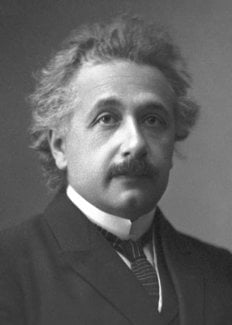
Einstein as a young man.
Einstein as a younger man, circa 1921. Nobel Committee photo.

In that same year of 1905, he published three other papers, solving the mystery of Brownian motion, describing what became known as the Special Theory of Relativity and solving the mystery of why measurements of the light did not show any effects of motion as Maxwell had predicted, and a final paper that noted a particle emitting light energy loses mass. This final paper amused Einstein because it seemed so ludicrous in its logical extension that energy and matter are really the same stuff at some fundamental point, as expressed in the equation demonstrating an enormous amount of energy stored in atoms, E=mc².

Any one of the papers would have been a career-capper for any physicist. Einstein dashed them all off in just a few months, forever changing the fields of physics. And, you noticed: Einstein did not win a Nobel for the Special Theory of Relativity, nor for E=mc². He won it for the photo-electric effect. Irony in history. Nobel committee members didn’t understand Einstein’s other work much better than the rest of us today.

114 years later, Einstein’s work affects us every day. Relativity theory at some level I don’t fully understand makes possible the use Global Positioning Systems (GPS), which revolutionized navigation and mundane things like land surveying and microwave dish placement.

Development of nuclear power both gives us hope for an energy-rich future, and gives us fear of nuclear war. Sometimes, even the hope of the energy rich future gives us fear, as we watch and hope nuclear engineers can control the piles in nuclear power plants damaged by earthquakes and tsunami in Japan.

English: Albert Einstein on a 1966 US stamp
Albert Einstein on a 1966 US stamp (Photo credit: Wikipedia)


If Albert Einstein was a genius at physics, he was more dedicated to pacifism. He resigned his German citizenship to avoid military conscription. His pacifism made the German Nazis nervous; Einstein fled Germany in the 1930s, eventually settling in the United States. In the U.S., he was persuaded by Leo Szilard to write to President Franklin Roosevelt to suggest the U.S. start a program to develop an atomic weapon, because Germany most certainly was doing exactly that. But while urging FDR to keep up with the Germans, Einstein refused to participate in the program himself, sticking to his pacifist views. Others could, and would, design and build atomic bombs. (Maybe it’s a virus among nuclear physicists — several of those working on the Manhattan Project were pacifists, and had great difficulty reconciling the idea that the weapon they worked on to beat Germany, was deployed on Japan, which did not have a nuclear weapons program.)

Everybody wanted to claim, and honor Einstein; USSR issued this stamp dedicated to Albert Einstein Русский: Почтовая марка СССР, посвящённая Альберту Эйнштейну (Photo credit: HipStamp)

Einstein was a not-great father, and probably not a terribly faithful husband at first — though he did think to give his first wife, in the divorce settlement, a share of a Nobel Prize should he win it. Einstein was a good violinist, a competent sailor, an incompetent dresser, and a great character.

His sister suffered a paralyzing stroke. For many months Albert spent hours a day reading to her the newspapers and books of the day, convinced that though mute and appearing unconscious, she would benefit from hearing the words. He said he did not hold to orthodox religions, but could there be a greater show of faith in human spirit?

When people hear clever sayings, but forget to whom the bon mots should be attributed, Einstein is one of about five candidates to whom all sorts of things are attributed, though he never said them. (Others include Lincoln, Jefferson, Mark Twain and Will Rogers). Einstein is the only scientist in that group. So, for example, we can be quite sure Einstein never claimed that compound interest was the best idea of the 20th century. This phenomenon is symbolic of the high regard people have for the man, even though so few understand what his work was, or meant.

Einstein in 1950, five years before his death

A most interesting man. A most important body of work. He deserves more study and regard than he gets, in history, diplomacy and science.

Does anyone know? What was Albert Einstein’s favorite pie?

More, and resources:


Fly the U.S. flag in March 2019

March 8, 2019

Members of the New York City Fire Department carry 343 U.S. flags honoring the 343 NYFD members killed on 9/11, in the St. Patrick's Day Parade. New York Post caption:

Members of the New York City Fire Department carry 343 U.S. flags honoring the 343 NYFD members killed on 9/11, in the St. Patrick’s Day Parade. New York Post caption: “Despite the cold and gray morning, parade-goers turned out for St. Patrick’s Day to celebrate Irish heritage in New York City on March 17, 2014. FDNY members set the pace as they marched down 5th Avenue holding American flags for the annual event. SHANNON STAPLETON/Reuters”

I usually put up a post near the first of the month listing the occasions upon which U.S. laws urge us to fly Old Glory. March sometimes slips by without such a post.

No good reason, other than in most years, March offers no regular national commemorations upon which flag flying is urged. The odd year is when Easter comes early. Easter is one of the holidays the Flag Code says flags should be flown.

But, most years, Easter falls in April, as it does in 2018.

The Flag Code urges residents of states to fly the U.S. flag on the anniversary of their state’s entering the union, on statehood day. Those are the only dates in March, most years. In March, we have four statehood days in the first four days of the month. If I dawdle, we miss most of the dates.

Flag fly dates, for March (some already past, in 2019):

  • March 1, Ohio statehood (1803, 17th state)
  • March 1, Nebraska statehood (1867, 37th state)
  • March 3, Florida (1845, 27th state)
  • March 4, Vermont statehood (1791, 14th state)
  • March 15, Maine statehood (1820, 23rd state)

Okay, all but one already past in March. Apologies to Ohio, Nebraska and Florida. Surely you can find the stories of their big parades and flyovers for statehood in Google News.

St. Patrick’s Day revelers and parade marchers display the U.S. flag, but it’s not an official U.S. observance.

I keep hoping, but I get little traction for a law urging flying the flag to observe Freedom Day, on the birth anniversary of the Father of the Constitution, James Madison (he was born March 16, 1751).

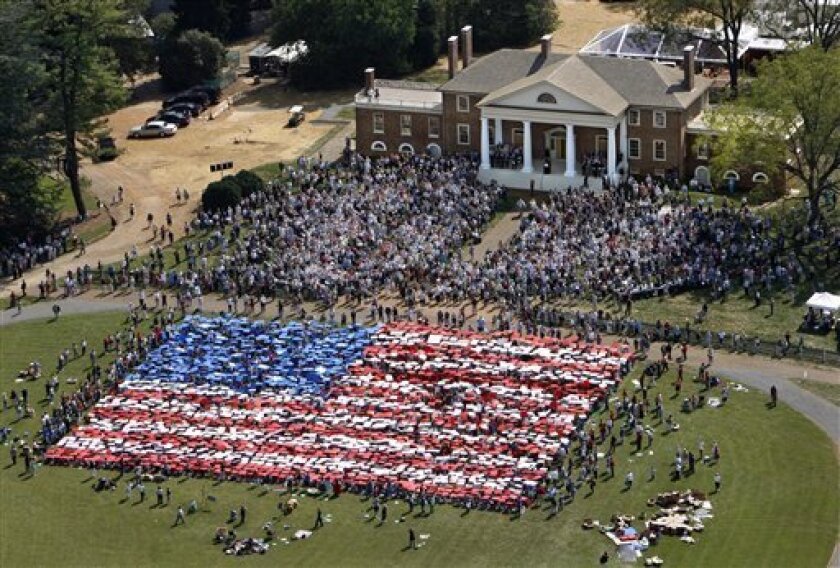
People gathered on the lawn of James Madison's home in Montpelier, Virginia, to display the U.S. flag in a card display, 2011. AP photo?

People gathered on the lawn of James Madison’s home in Montpelier, Virginia, to display the U.S. flag in a card display, 2011. AP photo?

Much irony, and great history, in the U.S. colors being shown so dramatically on St. Patrick’s Day, a day relatively uncommemorated in Ireland, and commemorated in the U.S. chiefly to help overcome bias against Irish immigrants.

Some irony in the unmarked birthday of the Father of the Constitution.

Sure, you may fly the U.S. flag every day in March. You need not wait for sanction from a Presidential Proclamation or a Congressional Resolution. You may fly the flag every day. (Just follow flag etiquette when you do.)

I’ll try to keep up better, next year. (I said that last year.)

U.S. flag led the St. Patrick's Day Parade in Seattle in 2014.

U.S. flag led the St. Patrick’s Day Parade in Seattle in 2014. Photo from IricsClub.org.

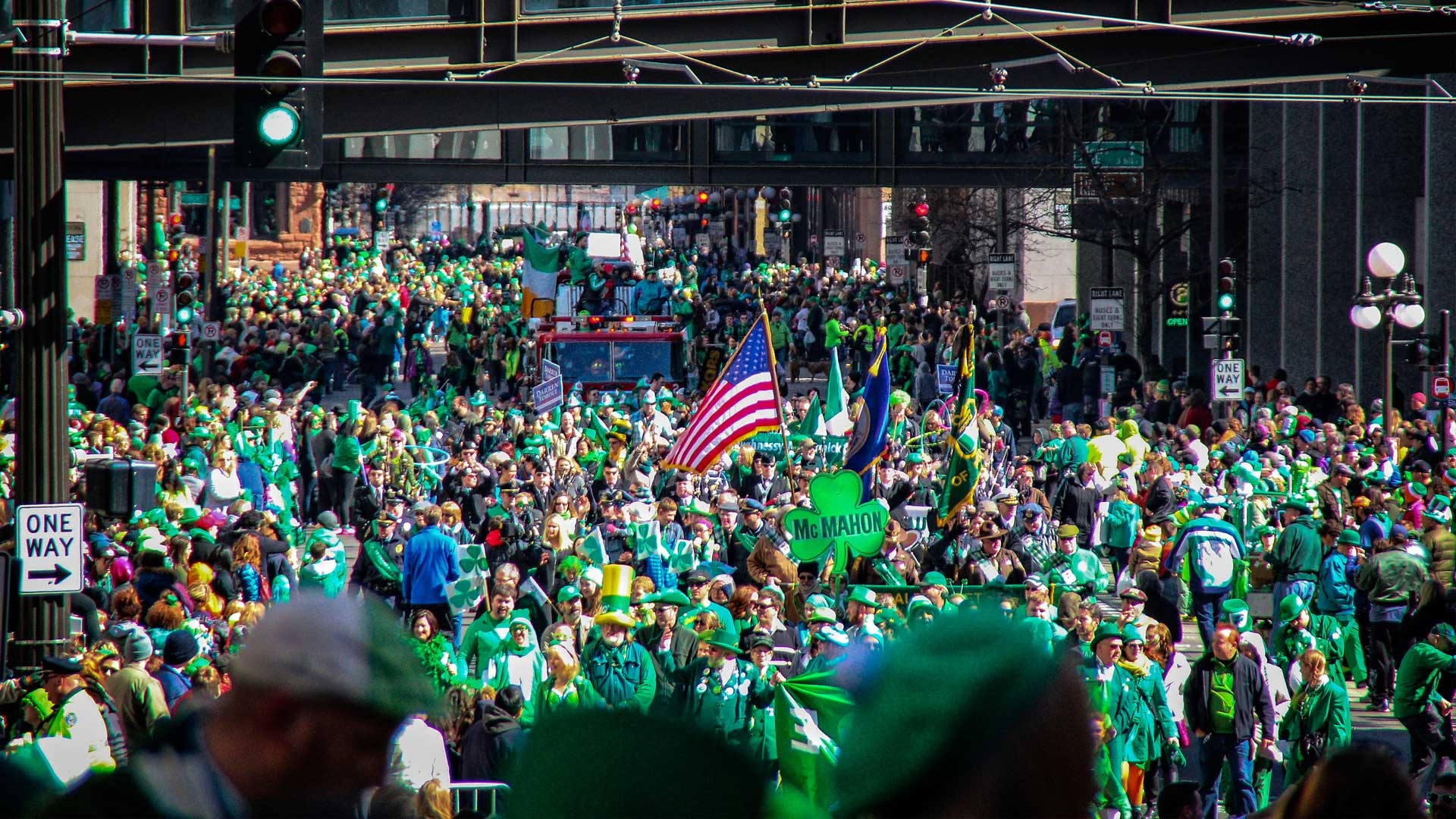
U.S. colors stood out in a field of green at the St. Paul, Minnesota, St. Patrick's Day parade, 2015(?). Photo from VisitStPaul.com.

U.S. colors stood out in a field of green at the St. Paul, Minnesota, St. Patrick’s Day parade, 2015(?). Photo from VisitStPaul.com.

More

This is an encore post.

Yes, this is a bit of an encore post. Defeating ignorance takes patience and perseverance.


Just how much does Nancy Pelosi own Donald Trump?

February 26, 2019

House Speaker Nancy Pelosi and President Donald Trump, at the State of the Union 2019. News photo via Leah McElrath.

A poem for our time, from our time, for the State of the Union, and 2019, from Houston poet Leah McElrath.

(Untitled)

I have threaded
the balls
that were on
your body

onto
this special necklace
crafted
for tonight

Forgive me
but they are mine now
so small
and orange

#SOTU
#SOTU2019


Special tip of the old scrub brush to Leah McElrath, on Twitter.


Remembering Barbara Jordan on her birthday

February 21, 2019

Barbara Jordan would have been 83 today.

Barbara Jordan statue intended for the campus of the University of Texas, Austin Chronicle photo
Design model for a statue of Barbara Jordan for the University of Texas. Sculpture by Bruce Wolfe; the installed statue is in bronze. I like this plaster model, too.

(Thanks to Pam for alerting me to the anniversary, back in 2008.)

In her stirring keynote address at the 1976 Democratic National Convention, held in New York City in Madison Square Garden, Jordan said:

A government is invigorated when each of us is willing to participate in shaping the future of this nation.

In this election year we must define the common good and begin again to shape a common good and begin again to shape a common future. Let each person do his or her part. If one citizen is unwilling to participate, all of us are going to suffer. For the American idea, though it is shared by all of us, is realized in each one of us.

I covered that convention as a stringer for a western television station. I recall the spirit in the hall when Jordan spoke, and the great spirit that enveloped the entire convention and the City of New York. After the convention every night the cops would stop taxis so delegates could ride. I remember watching two cops help a woman out of a wheel chair and into a cab, and the cabbie saying that the cops had never done that before — and he liked it. Jimmy Carter came out of that convention, and won the election, defeating Gerald Ford.

43 years ago. In 2008 I wrote: “Barbara Jordan didn’t live to see her party come up with a woman and an African American man as the top two candidates for the nomination. That’s too bad. She could have given a great, appropriate speech. Maybe the Dems oughtta just run a film of Jordan from 1976.”

Barack Obama won that election in 2008, and Hillary Clinton won the Democratic nomination in 2016. Jordan didn’t live to see that, either.

In 2019, we face a Constitutional crisis again, with a crook in the White House hoping Americans forget about the Constitution. If ever we needed ghosts to come back to help us, we need the ghost of Barbara Jordan now. We could just run a film of her speech at the House Judiciary Committee markup of the articles of impeachment for Richard Nixon.

Also:

This is an encore post.
Yes, this is an encore post, with some editing. Defeating ignorance takes patience and perseverance.

Fly your flag today, Presidents Day 2019

February 18, 2019

A flag in Dallas, Texas.

Of course you’re already flying your flag today, for Presidents Day 2019.

Presidents Day is that hybrid holiday designed to create a three-day weekend, and consolidate previous practices of having two holidays, one on Lincoln’s birthday on February 12, and another on Washington’s birthday on February 22 (Gregorian, or New Calendar).

February 2019 marks the third year in a row the U.S. is without a functioning president, but we celebrate the day anyway.

More: 


Dunning Kruger becomes melody, in the “Incompetence Opera”

February 15, 2019

This should be worthy of watching, and of future commentary

"The Incompetence Opera" appears to have been a production of the 2017 IgNobel Prize ceremony in 2017. "‘They don’t know that they don’t know!’ Ray Bauwens sings about the Dunning-Kruger effect at the 2017 Ignobel Prizes ceremony in Harvard 2017 (AIR)"
“The Incompetence Opera” appears to have been a production of the 2017 IgNobel Prize ceremony in 2017. “‘They don’t know that they don’t know!’ Ray Bauwens sings about the Dunning-Kruger effect at the 2017 Ignobel Prizes ceremony in Harvard 2017 (AIR)”

Bookmark this video. Sadly, you’ll have much use for it over the next two years.

Tip of the old scrub brush to The Weekly Sift.

More:


Beto’s convention speech

February 13, 2019

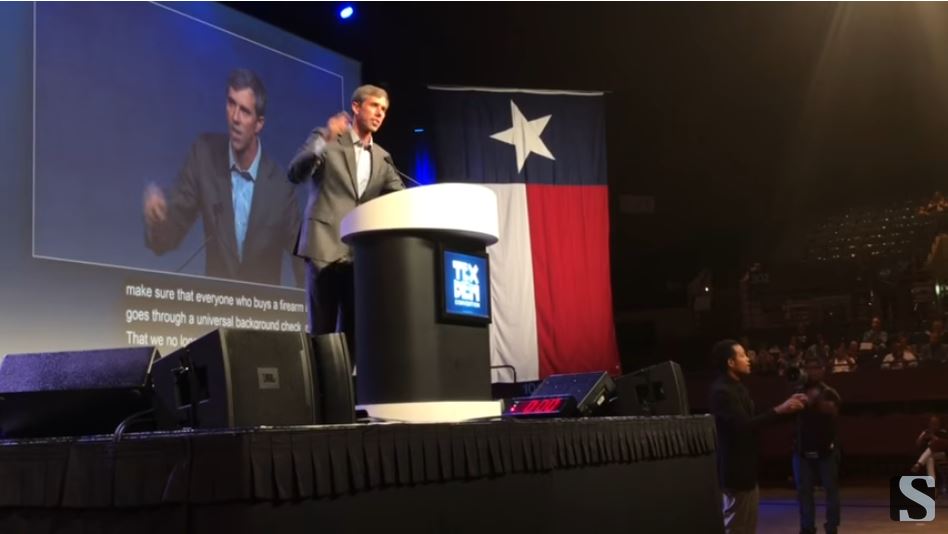
Beto O’Rourke, to the Texas State Democratic Convention in Fort Worth, Texas.

Sound feed came from a microphone on the camera, and not from the arena sound system — so it’s rather crummy.

But I’m not finding the official Texas Democratic Party version of this speech all the way through. And I think it ought to be preserved.

It’s not a usual “thanks for supporting me; let’s go win” convention speech. It demonstrates what happens when a thinking candidate tailors remarks to the audience in the hall, somethings thinking as she or he goes.

It’s why Texas should have sent him to the Senate.

Beto O'Rourke keynote at the Texas State Democratic Party Convention in Fort Worth, in June 2018. Fort Worth Star-Telegram video, screen capture.

Beto O’Rourke keynote at the Texas State Democratic Party Convention in Fort Worth, in June 2018. Fort Worth Star-Telegram video, screen capture.


February 2019 dates to fly Stars and Stripes

February 9, 2019

U.S. flag on Mt. Suribachi, Iwo Jima Island - At sea with USS Kitty Hawk (CV-63) Jan. 16, 2003 — F-14 Tomcats assigned to the Black Knights of Fighter Squadron One Five Four (VF-154) fly by Mt. Suribachi on Iwo Jima Island. VF-154 is part of Carrier Air Wing Five (CVW-5) embarked aboard Kitty Hawk, conducting Carrier Readiness Certifications. Kitty Hawk is the Navy’s only permanently forward-deployed aircraft carrier and operates out of Yokosuka, Japan. Photo by U.S. Navy, Lt. j.g. Greg Kausner

U.S. flag on Mt. Suribachi, Iwo Jima Island – At sea with USS Kitty Hawk (CV-63) Jan. 16, 2003 — F-14 Tomcats assigned to the Black Knights of Fighter Squadron One Five Four (VF-154) fly by Mt. Suribachi on Iwo Jima Island. VF-154 is part of Carrier Air Wing Five (CVW-5) embarked aboard Kitty Hawk, conducting Carrier Readiness Certifications. Kitty Hawk is the Navy’s only permanently forward-deployed aircraft carrier and operates out of Yokosuka, Japan. Photo by U.S. Navy, Lt. j.g. Greg Kausner

You want to mark your calendar so you remember to put your U.S. flag up on those dates designated by law and tradition, right?

Which dates in February? Here at the Bathtub, we’re running behind on the news — we’ve missed marking Massachusetts statehood.

  • Massachusetts statehood, February 6 (6th state, 1788)
  • Lincoln’s birthday, February 12 (yes, it’s still designated in law as a date to fly the flag)
  • Oregon statehood, February 14 (33rd state, 1859)
  • Arizona statehood, February 14 (48th state, 1913)
  • Washington’s birthday, now designated President’s Day, the third Monday in February, February 18 in 2019

You may fly your flag on state holidays, too — which of those dates do we see in February?  Is there a good list?

Though we don’t mark it usually, February 14 is the anniversary of the first recognition of the Stars and Stripes by a foreign government, in 1778.  The French fleet recognized the ensign carried by Capt. John Paul Jones, at Quiberon Bay — painting of the event is at the top of this post.

February 23 is the anniversary of the raising of the U.S. flag on Iwo Jima, in 1945 — 74 years ago.  We should probably watch for proclamations to fly the flag on that date, an anniversary made more important simply because so few survivors from among the veterans of that war and that fight can be expected to live to see the 80th anniversary. Regardless any official, formal proclamation to fly the flag for the Iwo Jima events, you may always fly your flag.

Please visit earlier posts at Millard Fillmore’s Bathtub, on the death of Joe Rosenthal, the photographer who took the widely-released iconic photo; on the death of Charles Lindberg, pictured in the first flag-raising on Mt. Suribachi; on the death of Raymond Jacobs, the last-surviving veteran from the flag raisings; and on my visit to the Sunset Parade at the Iwo Jima-themed U.S. Marine Memorial overlooking Washington, D.C.

A Youtube poster edited a part of the Army’s documentary, “To the Shores of Iwo Jima,” showing the flag raising on film, and added in some other images for a less-than-three-minute look. (Alas, that edited version is gone — here’s the full 20-minute movie; propaganda at its best, for noble purposes.)

Wave your flag!

More:

Photo #: 80-G-K-21225 (color)

Caption from the U.S. Navy, via Wikipedia: Photo #: 80-G-K-21225 (color) “First Recognition of the American Flag by a Foreign Government,” 14 February 1778. Painting in oils by Edward Moran, 1898. It depicts the Continental Navy Ship Ranger, commanded by Captain John Paul Jones, receiving the salute of the French fleet at Quiberon Bay, France, 14 February 1778. Earlier in the month, after receipt of news of the victory at Saratoga, France recognized the independence of the American colonies and signed a treaty of alliance with them. The original painting is in the U.S. Naval Academy Museum, Annapolis, Maryland. Official U.S. Navy Photograph, now in the collections of the National Archives. [A larger version is available for download at Wikipedia.]

This is an encore post.

Yes, this is an encore post. Defeating ignorance takes patience and perseverance.


Fly your flag today for the 2019 holiday honoring Rev. Martin Luther King, Jr.

January 21, 2019

Marchers from Selma to Montgomery carried the U.S. flag; you should fly yours today in honor of Martin Luther King, Jr. Image from 60s Survivors page on Joanna Bland, who was part of the march.

Marchers from Selma to Montgomery carried the U.S. flag; you should fly yours today in honor of Martin Luther King, Jr. Image from 60s Survivors page on Joanna Bland, who was part of the march.

Citizens and residents of the U.S. should fly their U.S. flags today, on the holiday marking the birth of the Rev. Dr. Martin Luther King, Jr.

Fly the U.S. flag today for the holiday for the birthday of Martin Luther King, Jr.  The holiday is celebrated on the third Monday in January.

King’s actual birthday is January 15. In 2019, the legal holiday is January 21, today. It’s becoming common for Americans to fly their flags all weekend for a holiday on Friday or Monday.

Many Americans will celebrate with a day of service. Perhaps you will, too.

In 2019, in a nation that seems again intolerant of immigrants and people of color, remembering and honoring the life and struggles of Martin Luther King, Jr., and serving others in real and symbolic ways, is more important than ever.

More:

The Martin Luther King, Jr. Memorial in Washington, D.C. Credit: architecture.about.com, via Saporta Report

The Martin Luther King, Jr. Memorial in Washington, D.C. Credit: architecture.about.com, via Saporta Report

Save


January 9 was Richard Nixon’s 106th birthday

January 11, 2019

[We’ve been preoccupied here in Bathtubland, with family issues; but somehow I let Richard Nixon’s birthday go by without a comment. We really need to remember Nixon now, and why he left the presidency early. So, a couple days late.]

President Richard Milhous Nixon was born in Yorba Linda, California, on January 9, 1913.

Interesting to see so little public acknowledgement of Nixon’s presidency and his trials and vexations, which history offers insight and perhaps solutions to problems the nation has today.

Some views of Richard Nixon.

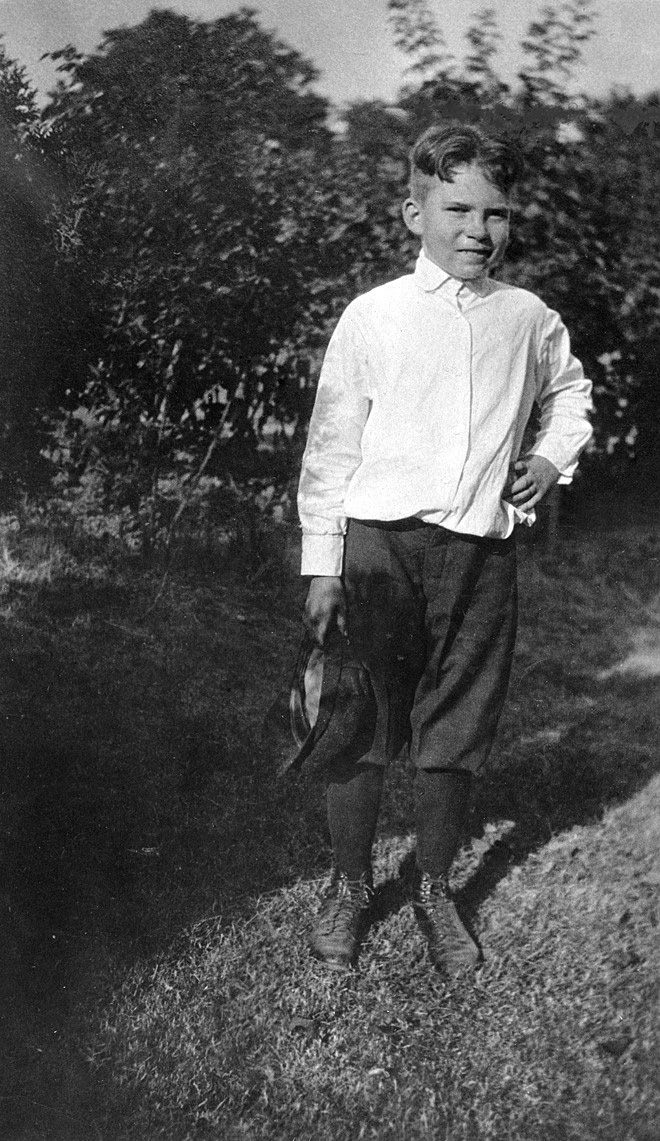
National Archives and Records Administration image: Nine-year old Richard Nixon in Yorba Linda, 1922. National Archives Identifier: 306-PSD-68-3769.

National Archives and Records Administration image: Nine-year old Richard Nixon in Yorba Linda, 1922. National Archives Identifier: 306-PSD-68-3769.

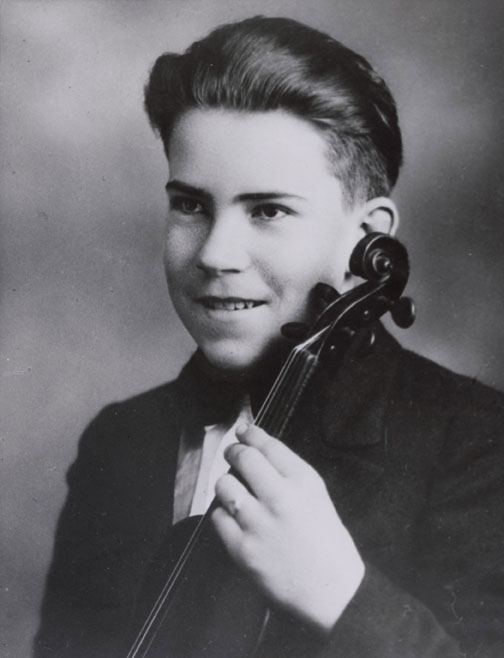
Richard Nixon, age 15, holding his violin, ca 1927-1928. Richard Nixon learned to play the violin, clarinet, saxophone, piano, and the accordion. When he was 12, Richard was sent to live and study music with his mother’s sister in central California. He returned home six months later and eventually discontinued his studies, but his love of music continued. Richard Nixon Presidential Library & Museum.

Richard Nixon, age 15, holding his violin, ca 1927-1928. Richard Nixon learned to play the violin, clarinet, saxophone, piano, and the accordion. When he was 12, Richard was sent to live and study music with his mother’s sister in central California. He returned home six months later and eventually discontinued his studies, but his love of music continued. Richard Nixon Presidential Library & Museum.

Richard Nixon with two friends, Fullerton High School, Fullerton, CA, circa 1929. (Surely someone could identify the other two men. I wonder who they are? What happened to them?) Richard Nixon Presidential Library & Museum Identifier: WHPO-B-0199.

Richard Nixon with two friends, Fullerton High School, Fullerton, CA, circa 1929. (Surely someone could identify the other two men. I wonder who they are? What happened to them?) Richard Nixon Presidential Library & Museum Identifier: WHPO-B-0199.

1945 photograph of Lt. Commander Richard Nixon wearing his Navy uniform. When Richard Nixon ran for Congress in 1946 he wore his Navy uniform as he declared at the time that he did not have a civilian suit. Richard Nixon Presidential Library and Museum, used with permission of the Richard Nixon Foundation and Julie Nixon Eisenhower.

1945 photograph of Lt. Commander Richard Nixon wearing his Navy uniform. When Richard Nixon ran for Congress in 1946 he wore his Navy uniform as he declared at the time that he did not have a civilian suit. Richard Nixon Presidential Library and Museum, used with permission of the Richard Nixon Foundation and Julie Nixon Eisenhower.

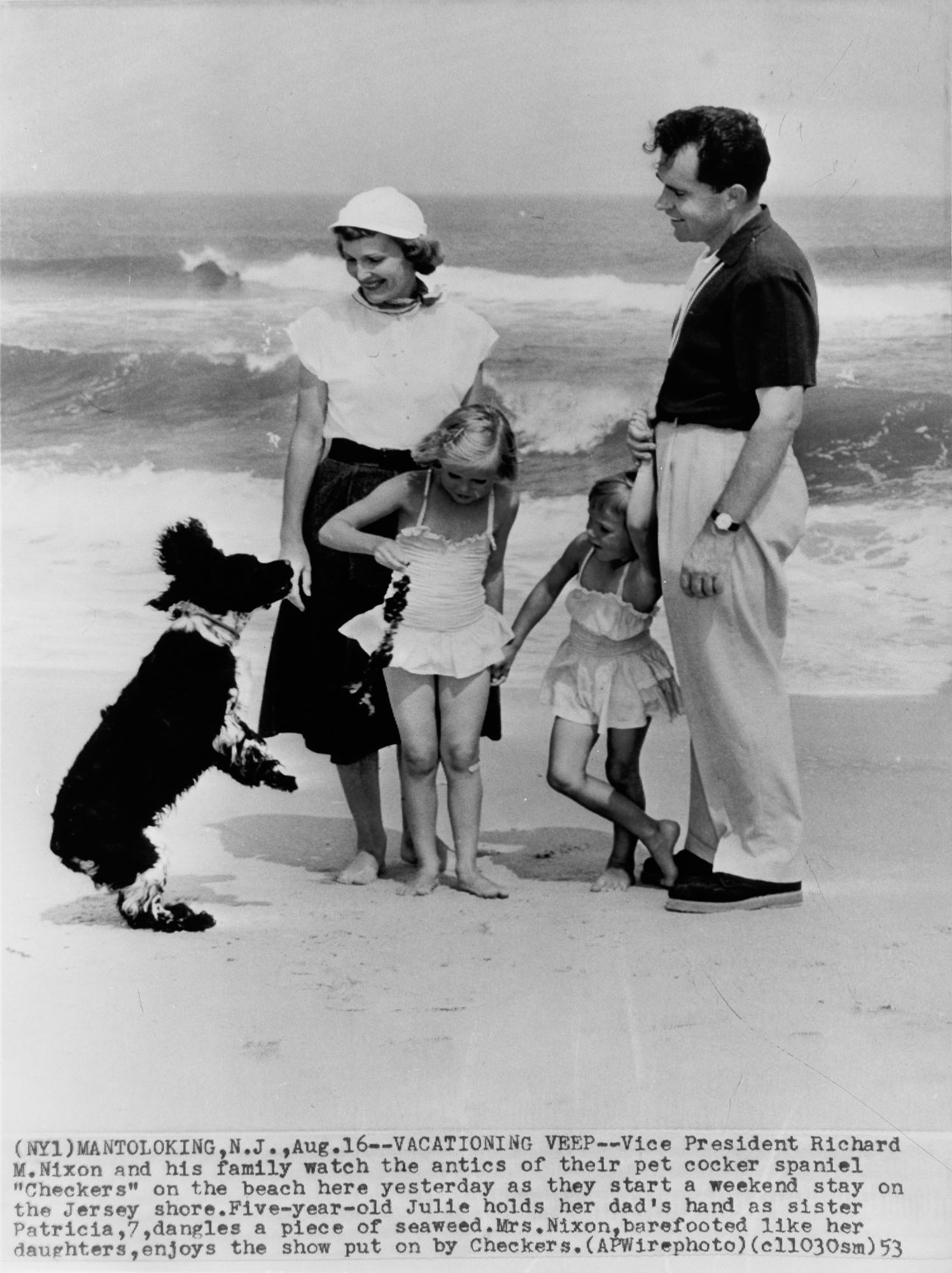
Vice-President Richard Nixon, with wife Pat and daughters Tricia and Julie, watch the antics of their pet cocker spaniel

Vice-President Richard Nixon, with wife Pat and daughters Tricia and Julie, watch the antics of their pet cocker spaniel “Checkers” while on a weekend visit to the Jersey Shore in Mantoloking, NJ, August 16, 1953. Richard Nixon Presidential Library and Museum, used with permission of the Richard Nixon Foundation and Julie Nixon Eisenhower.

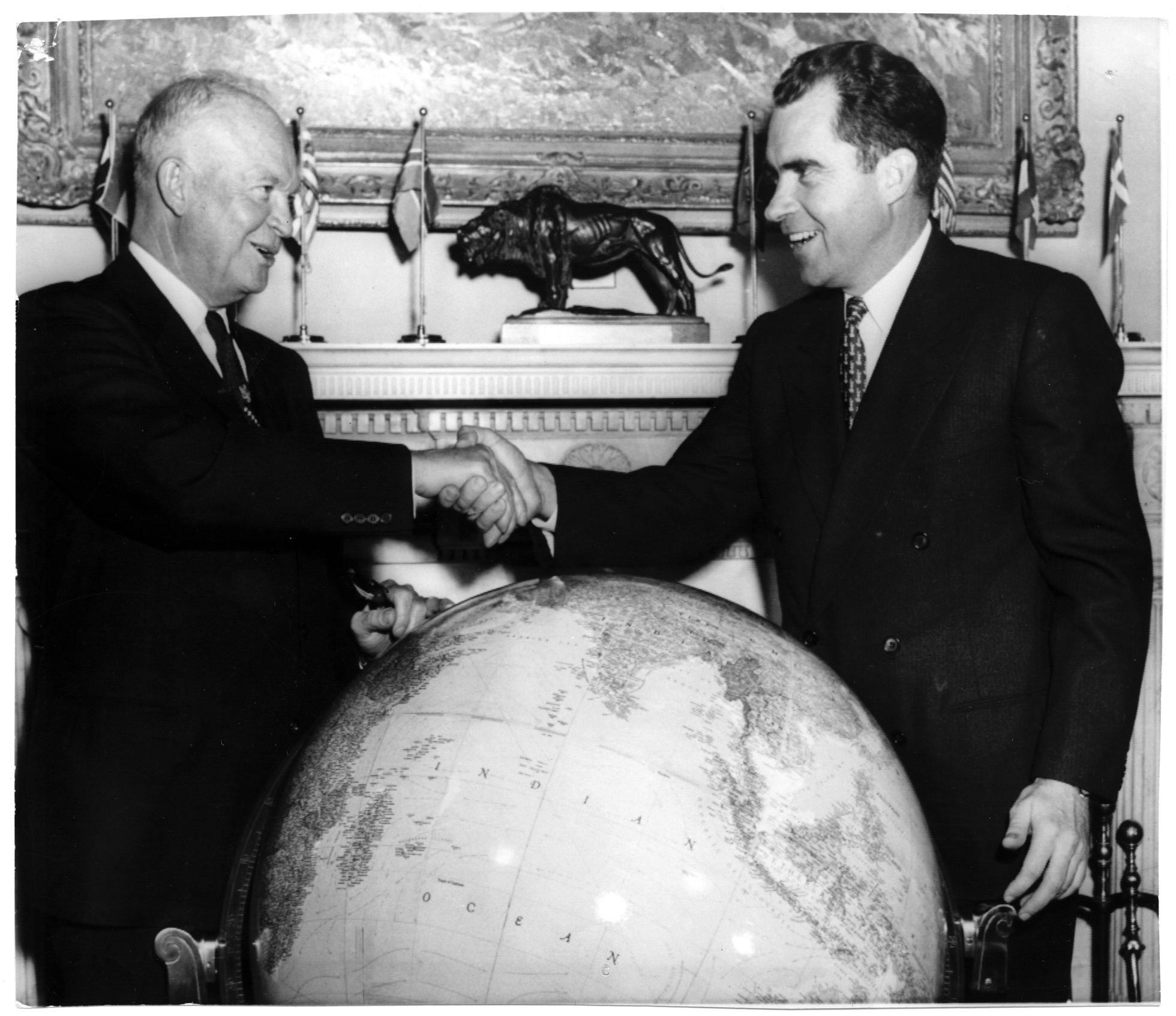
President Dwight D. Eisenhower and Vice President Richard Nixon at the White House before the Vice President’s Ambassador of Goodwill tour departure to the Far East, October 5, 1953. Richard Nixon Presidential Library and Museum, used with permission of the Richard Nixon Foundation and Julie Nixon Eisenhower.

President Dwight D. Eisenhower and Vice President Richard Nixon at the White House before the Vice President’s Ambassador of Goodwill tour departure to the Far East, October 5, 1953. Richard Nixon Presidential Library and Museum, used with permission of the Richard Nixon Foundation and Julie Nixon Eisenhower.

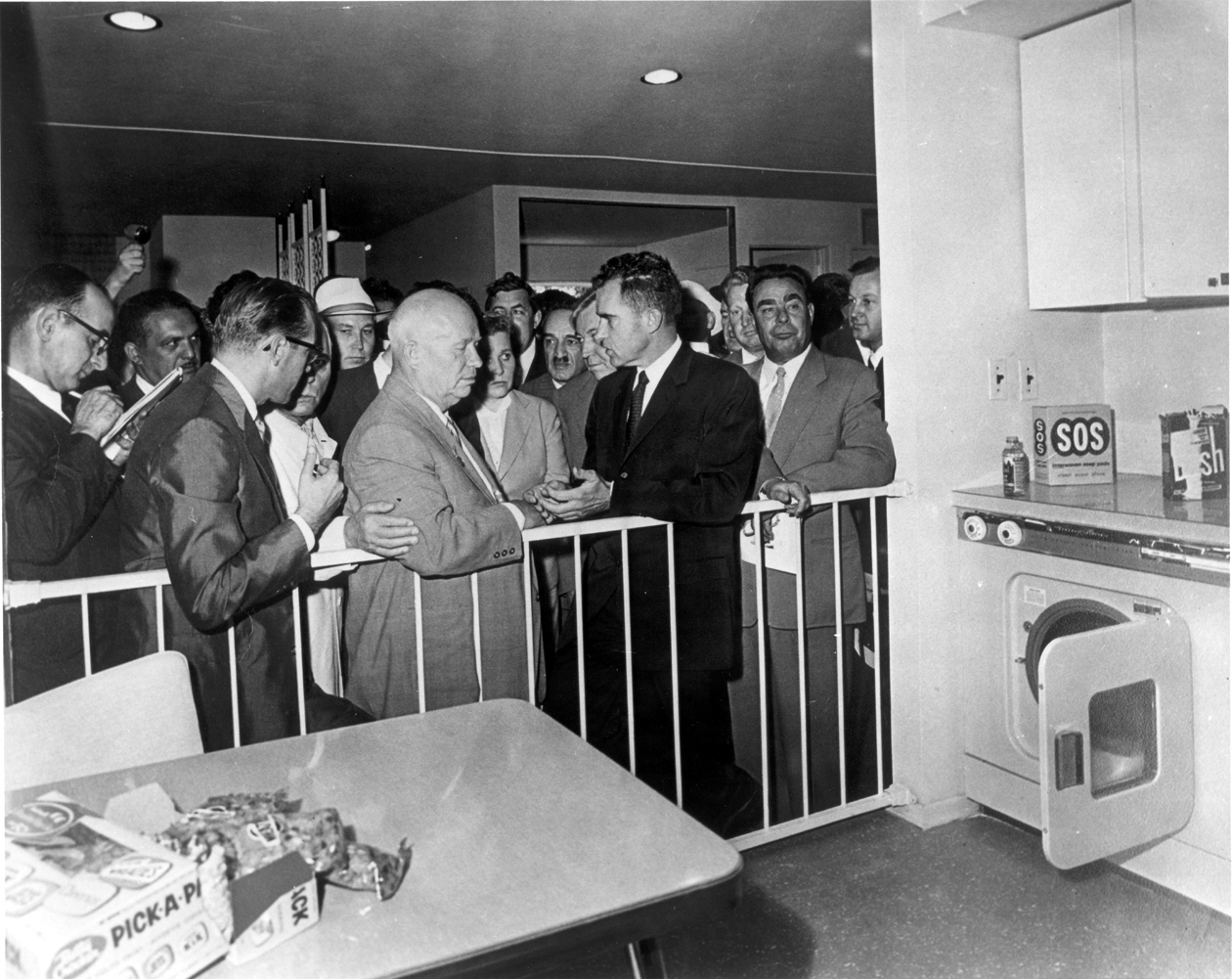
Vice-President Nixon spars with Premier Khrushchev before reporters and onlookers, including Politburo member Leonid Brezhnev at the American National Exhibition at Sokolniki Park, in Moscow, 1959. Nixon and Khrushchev are photographed in front of a kitchen display – the impromptu exchanges came to be known as the Kitchen Debate, July 24, 1959. Richard Nixon Presidential Library and Museum, used with permission of the Richard Nixon Foundation and Julie Nixon Eisenhower.

Vice-President Nixon spars with Premier Khrushchev before reporters and onlookers, including Politburo member Leonid Brezhnev at the American National Exhibition at Sokolniki Park, in Moscow, 1959. Nixon and Khrushchev are photographed in front of a kitchen display – the impromptu exchanges came to be known as the Kitchen Debate, July 24, 1959. Richard Nixon Presidential Library and Museum, used with permission of the Richard Nixon Foundation and Julie Nixon Eisenhower.

Nixon’s life offers many interesting twists and turns. His Watergate scandal rather overshadows much of the rest — I think high school textbooks do not spend enough time on telling why Nixon was considered a good candidate for the presidency after losing to John F. Kennedy in the 1960 election, nor do they dwell enough on the effect of the Cold War on his career, and his effect on the Cold War. Check your kid’s U.S. history book — is the Kitchen Debate even mentioned?

Nixon would have been 105 years old on January 9. We might pause to reflect, and learn, from his life and trials.

More:

A wreath-laying ceremony commemorating President Richard Nixon’s 105th birthday is moved indoors because of rain. The wreath was placed by a large photo of the 37th president in Yorba Linda on Tuesday, Jan 9, 2018. (Photo by Mindy Schauer, Orange County Register/SCNG)

Orange County Register caption: A wreath-laying ceremony commemorating President Richard Nixon’s 105th birthday is moved indoors because of rain. The wreath was placed by a large photo of the 37th president in Yorba Linda on Tuesday, Jan 9, 2018. (Photo by Mindy Schauer, Orange County Register/SCNG)


Happy 219th birthday, Millard Fillmore!

January 7, 2019

Millard Fillmore, future 13th President of the United States, was born on January 7, 1800, in upstate New York.

Victim of one of the most infamous hoaxes in history, Millard Fillmore’s good works are often forgotten.

It’s that hoax that gives the name to this blog, and preventing or stopping other similar hoaxes which is the hope of the author.

In the past 50 years residents of Buffalo revived the reputation of Fillmore, and started a tradition of celebrating his birthday.

Trumpeter plays taps at the grave site of President Millard Fillmore in Buffalo, New York's Forest Lawn Cemetery, with a military honor guard and dignitaries from the University of Buffalo, which traces its founding to Fillmore. This is a Buffalo News photo of an earlier celebration, perhaps 2015.

Trumpeter plays taps at the grave site of President Millard Fillmore in Buffalo, New York’s Forest Lawn Cemetery, with a military honor guard and dignitaries from the University of Buffalo, which traces its founding to Fillmore. This is a Buffalo News photo of an earlier celebration, perhaps 2015.

But so far as I have found, no bathtub races occurred this year.

More:


Utah Statehood Day, 2018

January 4, 2019

President Grover Cleveland signed the proclamation making Utah the 45th state on January 4, 1896. Utah residents should fly the U.S. flag today in commemoration.

A golden pen used by President Grover Cleveland to sign the law setting conditions for statehood in 1894; Utah met the conditions, and Cleveland signed the proclamation of statehood just over a year later, on January 4, 1896. Sources of the photograph do not say who has the pen now, nor where it might be displayed. ILoveHistory.com image

A golden pen used by President Grover Cleveland to sign the law setting conditions for statehood in 1894; Utah met the conditions, and Cleveland signed the proclamation of statehood just over a year later, on January 4, 1896. Sources of the photograph do not say who has the pen now, nor where it might be displayed. ILoveHistory.com image

Flying the U.S. flag is a big deal in Utah. Most families have at least one flag to fly on holidays. But in my decades in the state, I don’t think I saw anyone fly the flag for Utah Statehood day.

Utah’s public officials take their oaths of office on January 4, traditionally. In the past couple of decades, a ball for statehood, a Statehood Dance, is scheduled on a Saturday close to January 4, in the museum in Fillmore, Utah, which once was the territorial capitol building before the capital was moved to Salt Lake City.

Got a U.S. flag, Utahns? Fly ’em if you got ’em.

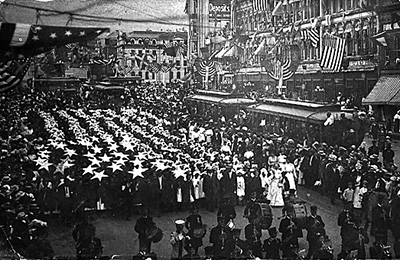
Marchers carrying stars and colored material to make stripes for a flag in a statehood parade in Salt Lake City, 1910. Photo from the University of Utah Marriott Library.

Marchers carrying stars and colored material to make stripes for a flag in a statehood parade in Salt Lake City, 1910. Photo from the University of Utah Marriott Library.

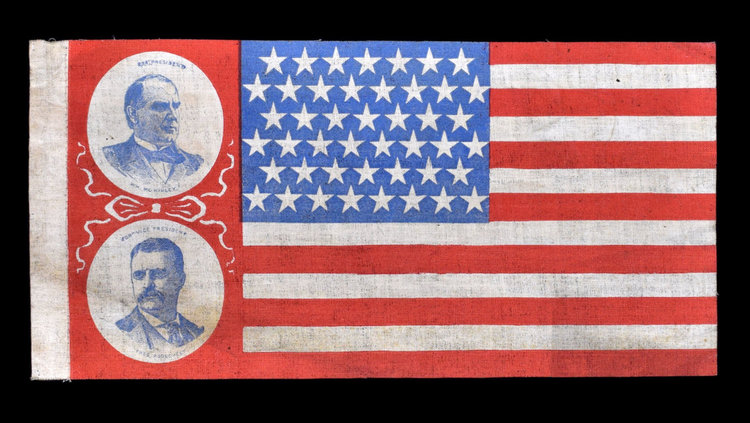
Rare 1900 campaign flag featuring portraits of President William McKinley and Vice President nominee Theodore Roosevelt. Such a display is contrary to the U.S. Flag Code today, but in 1900 there was no flag code, and not really much solid regulation on U.S. flags. Bonsell/Americana image.

Rare 1900 campaign flag featuring portraits of President William McKinley and Vice President nominee Theodore Roosevelt. Such a display is contrary to the U.S. Flag Code today, but in 1900 there was no flag code, and not really much solid regulation on U.S. flags. Bonsell/Americana image.

More:

  • Utah, the 45th star and the largest flag ever made to that time, film from Colonial Flags


December 31 is Bright Idea Day 2018, anniversary of the Day the Lights Went On

December 31, 2018

Between Christmas and New Year’s Day, here at Millard Fillmore’s Bathtub we celebrate a variety of historically holy days. December 31, by tradition, is Bright Idea Day, the anniversary of the day Thomas Edison demonstrated for the public a working light bulb, in 1879.

100,000 people gather in Times Square, New York City (surely not the 2 million predicted by NBC!) tonight, and millions more around the world, in festivities for the new year made possible by the work of Thomas Alva Edison.

Here it is, the invention that stole sleep from our grasp, made clubbing possible, and launched 50,000 cartoons about ideas:

The light bulb Thomas Edison demonstrated on December 31, 1879, at Menlo Park, New Jersey - Wikimedia image

The light bulb Thomas Edison demonstrated on December 31, 1879, at Menlo Park, New Jersey – Wikimedia image (GFDL)

The light bulb. It’s an incandescent bulb.

It wasn’t the first bulb. Edison a few months earlier devised a bulb that worked with a platinum filament. Platinum was too expensive for mass production, though — and Edison wanted mass production. So, with the cadre of great assistants at his Menlo Park laboratories, he struggled to find a good, inexpensive filament that would provide adequate life for the bulb. By late December 1879 they had settled on carbon filament.

Edison invited investors and the public to see the bulb demonstrated, on December 31, 1879.

Thomas Edison in 1878, the year before he demonstrated a workable electric light bulb. Library of Congress image

Thomas Edison in 1878, the year before he demonstrated a workable electric light bulb. CREDIT: Thomas Edison, head-and-shoulders portrait, facing left, 1880. Prints and Photographs Division, Library of Congress. Reproduction number LC-USZ62-98067

Edison’s successful bulb indicated changes in science, technology, invention, intellectual property and finance well beyond its use of electricity. For example:

  • Edison’s Menlo Park, New Jersey, offices and laboratory were financed with earlier successful inventions. It was a hive of inventive activity aimed to make practical inventions from advances in science. Edison was all about selling inventions and rights to manufacture devices. He always had an eye on the profit potential. His improvements on the telegraph would found his laboratory he thought, and he expected to sell the device to Western Union for $5,000 to $7,000. Instead of offering it to them at a price, however, he asked Western Union to bid on it. They bid $10,000, which Edison gratefully accepted, along with the lesson that he might do better letting the marketplace establish the price for his inventions. Other inventive labs followed Edison’s example, such as the famous Bell Labs, but few equalled his success, or had as much fun doing it.  (Economics teachers:  Need an example of the marketplace in action?)
  • While Edison had some financial weight to invest in the quest for a workable electric light, he also got financial support, $30,000 worth, from some of the finance giants of the day, including J. P. Morgan and the Vanderbilts who established the Edison Light Company.
  • Edison didn’t invent the light bulb — but his improvements on it made it commercial. “In addressing the question ‘Who invented the incandescent lamp?’ historians Robert Friedel and Paul Israel list 22 inventors of incandescent lamps prior to Joseph Wilson Swan and Thomas Edison. They conclude that Edison’s version was able to outstrip the others because of a combination of three factors: an effective incandescent material, a higher vacuum than others were able to achieve (by use of the Sprengel pump) and a high resistance lamp that made power distribution from a centralized source economically viable.”
  • Edison’s financial and business leadership acumen is partly attested to by the continuance of his organizations, today — General Electric, one of the world’s most successful companies over the past 40 years, traces its origins to Edison.

Look around yourself this evening, and you can find a score of ways that Edison’s invention and its descendants affect your life. One of the more amusing effects is in cartooning, however. Today a glowing lightbulb is universally accepted as a nonverbal symbol for ideas and inventions. (See Mark Parisi’s series of lightbulb cartoons, “Off the Mark.”)

Even with modern, electricity-saving bulbs, the cartoon shorthand hangs on, as in this Mitra Farmand cartoon.

Fusilli has an idea, Mitra Farmand, Fuffernutter

Brilliant cartoon from Mitra Farmand, Fluffernutter (regrettably, we note this site is no longer there; but with some hope, we find a new site here)

Or see this wonderful animation, a video advertisement for United Airlines, by Joanna Quinn for Fallon — almost every frame has the symbolic lightbulb in it.

Electrification of America, and the consequent spread of electric lighting and electrical machines to make domestic and industrial life more productive, and the spread of great public works to enable these and other inventions to spread, were made possible by a people roughly united in advancing progress, what historians now call “the progressive agenda” and the great advances of the Progressive Era.

Could we get such agreement among workers, corporate bosses and many levels of government today? When we celebrate anniversaries, like the demonstration of the light bulb, we celebrate the united polity that made such things possible, too.

Gee, I wonder who were the dignitaries to whom Edison demonstrated the electric light on that New Years Eve, in 1879. Anyone know? We can safely wager that there were representatives of the Vanderbilts and Morgans there, families who invested in Edison as an inventor.

Other resources:

Patent drawing for Thomas Edison's successful electric lamp. Library of Congress

Thomas Edison’s electric lamp patent drawing and claim for the incandescent light bulb CREDIT: “New Jersey–The Wizard of Electricity–Thomas A. Edison’s System of Electric Illumination,” 1880. Prints and Photographs Division, Library of Congress. Reproduction Number LC-USZ62-97960.

Even More:

This is an encore post.

Yes, this is an encore post. Defeating ignorance takes patience and perseverance.


Christmas 2018 questions: Who invented Santa Claus? Who really wrote the “Night Before Christmas?”

December 19, 2018

An encore post and Millard Fillmore’s Bathtub tradition from 2007, with modifications.

“Today in History from the Associated Press notes, for December 23:

In 1823, the poem “Account of a Visit from St. Nicholas” was published anonymously in the Troy (N.Y.) Sentinel; the verse, more popularly known as “‘Twas the Night Before Christmas,” was later attributed to Clement C. Moore.

Regardless who wrote the poem first published 195 years ago, how did the poem influence America’s view of St. Nicholas, or Santa Claus?  And how much of the Santa Claus story really was invented in America?

Thomas Nast invented Santa Claus? Clement C. Moore didn’t write the famous poem that starts out, “‘Twas the night before Christmas, and all through the house . . . ?”

The murky waters of history from Millard Fillmore’s Bathtub soak even our most cherished ideas and traditions.

Isn’t that part of the fun of history?

Santa Claus delivers to Union soldiers, "Santa Claus in Camp" - Thomas Nast, Harper's Weekly, Jan 3, 1863

In Janaury 1863, Thomas Nast portrayed Santa Claus as he delivered gifts to Union troops a few days earlier in Washington, D.C., wearing a blue, star-spangled coat.

Yes, Virginia (and California, too)! Thomas Nast created the image of Santa Claus most of us in the U.S. know today. Perhaps even more significant than his campaign against the graft of Boss Tweed, Nast’s popularization of a fat, jolly elf who delivers good things to people for Christmas makes one of the great stories in commercial illustration. Nast’s cartoons, mostly for the popular news publication Harper’s Weekly, created many of the conventions of modern political cartooning and modeled the way in which an illustrator could campaign for good, with his campaign against the graft of Tammany Hall and Tweed. But Nast’s popular vision of Santa Claus can be said to be the foundation for the modern mercantile flurry around Christmas.

Nast is probably ensconced in a cartoonists’ hall of fame. Perhaps he should be in a business or sales hall of fame, too.  [See also Bill Casselman’s page, “The Man Who Designed Santa Claus.]

Nast’s drawings probably drew some inspiration from the poem, “Account of a Visit from St. Nicholas,” traditionally attributed to Clement C. Moore, a New York City lawyer, published in 1822. The poem is among the earliest to describe the elf dressed in fur, and magically coming down a chimney to leave toys for children; the poem invented the reindeer-pulled sleigh.

Modern analysis suggests the poem was not the work of Moore, and many critics and historians now attribute it to Major Henry Livingston, Jr. (1748-1828) following sleuthing by Vassar College Prof. Don Foster in 2000. Fortunately for us, we do not need to be partisans in such a query to enjoy the poem (a complete copy of which is below the fold).

The Library of Congress still gives Moore the credit. When disputes arise over who wrote about the night before Christmas, is it any wonder more controversial topics produce bigger and louder disputes among historians?

Moore was not known for being a poet. The popular story is that he wrote it on the spur of the moment:

Moore is thought to have composed the tale, now popularly known as “The Night Before Christmas,” on December 24, 1822, while traveling home from Greenwich Village, where he had bought a turkey for his family’s Christmas dinner.

Inspired by the plump, bearded Dutchman who took him by sleigh on his errand through the snow-covered streets of New York City, Moore penned A Visit from St. Nicholas for the amusement of his six children, with whom he shared the poem that evening. His vision of St. Nicholas draws upon Dutch-American and Norwegian traditions of a magical, gift-giving figure who appears at Christmas time, as well as the German legend of a visitor who enters homes through chimneys.

Again from the Library of Congress, we get information that suggests that Moore was a minor celebrity from a well-known family with historical ties that would make a good “connections” exercise in a high school history class, perhaps (”the link from Aaron Burr’s treason to Santa Claus?”): (read more, below the fold)

Clement Moore was born in 1779 into a prominent New York family. His father, Benjamin Moore, president of Columbia University, in his role as Episcopal Bishop of New York participated in the inauguration of George Washington as the nation’s first president. The elder Moore also administered last rites to Alexander Hamilton after he was mortally wounded in a tragic duel with Aaron Burr.

A graduate of Columbia, Clement Moore was a scholar of Hebrew and a professor of Oriental and Greek literature at the General Theological Seminary in Manhattan. [See comment from Pam Bumsted below for more on Moore.] He is said to have been embarrassed by the light-hearted verse, which was made public without his knowledge in December 1823. Moore did not publish it under his name until 1844.

Tonight, American children will be tucked in under their blankets and quilts and read this beloved poem as a last “sugarplum” before slipping into dreamland. Before they drift off, treat them to a message from Santa, recorded by the Thomas Edison Company in 1922.

Santa Claus Hides in Your Phonograph
By Arthur A. Penn, Performed by Harry E. Humphrey.
Edison, 1922.
Coupling date: 6/20/1922. Cutout date: 10/31/1929.
Inventing Entertainment: The Motion Pictures and Sound Recordings of the Edison Companies

Listen to this recording (RealAudio Format)

Listen to this recording (wav Format, 8,471 Kb)

But Henry Livingston was no less noble or historic. He hailed from the Livingstons of the Hudson Valley (one of whose farms is now occupied by Camp Rising Sun of the Louis August Jonas Foundation, a place where I spent four amazing summers teaching swimming and lifesaving). Livingston’s biography at the University of Toronto site offers another path for a connections exercise (”What connects the Declaration of Independence, the American invasion of Canada, the famous poem about a visit from St. Nick, and George W. Bush?”):

Henry Livingston Jr. was born in Poughkeepsie, New York, on Oct. 13, 1748. The Livingston family was one of the important colonial and revolutionary families of New York. The Poughkeepsie branch, descended from Gilbert, the youngest son of Robert Livingston, 1st Lord of Livingston Manor, was not as well off as the more well-known branches, descended from sons Robert and Philip. Two other descendants of Gilbert Livingston, President George Walker Herbert Bush and his son, President-Elect George W. Bush, though, have done their share to bring attention to this line. Henry’s brother, Rev. John Henry Livingston, entered Yale at the age of 12, and was able to unite the Dutch and American branches of the Dutch Reformed Church. At the time of his death, Rev. Livingston was president of Rutgers University. Henry’s father and brother Gilbert were involved in New York politics, and Henry’s granduncle was New York’s first Lt. Governor. But the law was the natural home for many of Henry’s family. His brother-in-law, Judge Jonas Platt, was an unsuccessful candidate for governor, as was his daughter Elizabeth’s husband, U.S. Supreme Court Justice Smith Thompson. Henry’s grandson, Sidney Breese, was Chief Justice of the Illinois Supreme Court.

Known for his encyclopedic knowledge and his love of literature, Henry Livingston was a farmer, surveyor and Justice of the Peace, a judicial position dealing with financially limited criminal and civil cases. One of the first New Yorkers to enlist in the Revolutionary Army in 1775, Major Henry Livingston accompanied his cousin’s husband, General Montgomery, in his campaign up the Hudson River to invade Canada, leaving behind his new wife, Sarah Welles, and their week-old baby, on his Poughkeepsie property, Locust Grove. Baby Catherine was the subject of the first poem currently known by Major Livingston. Following this campaign, Livingston was involved in the War as a Commissioner of Sequestration, appropriating lands owned by British loyalists and selling them for the revolutionary cause. It was in the period following Sarah’s early death in 1783, that Major Livingston published most of his poems and prose, anonymously or under the pseudonym of R. Ten years after the death of Sarah, Henry married Jane Patterson, the daughter of a Dutchess County politician and sister of his next-door neighbor. Between both wives, Henry fathered twelve children. He published his good-natured, often occasional verse from 1787 in many journals, including Political Barometer, Poughkeepsie Journal, and New-York Magazine. His most famous poem, “Account of a Visit from St. Nicholas,” was until 2000 thought to have been the work of Clement Clarke Moore (1779-1863), who published it with his collected poems in 1844. Livingston died Feb. 29, 1828.

More on Henry Livingston and his authorship of the Christmas poem here.

Thomas Nast’s full realization of Santa Claus, “Merry Old Santa Claus,” January 1, 1881. Harper’s Weekly, from the Ohio State University Billy Ireland Cartoon Library and Museum, via Bill Cassellman's site

Thomas Nast’s full realization of Santa Claus, “Merry Old Santa Claus,” January 1, 1881. Harper’s Weekly, from Wikimedia.

Our views of Santa Claus owe a great deal also to Coca-Cola advertising campaigns. Coca-Cola first noted Santa’s use of the drink in a 1922 campaign to suggest Coke was a year-round drink (100 years after the publication of Livingston’s poem). The company’s on-line archives gives details:

In 1930, artist Fred Mizen painted a department store Santa in a crowd drinking a bottle of Coke. The ad featured the world’s largest soda fountain, which was located in the department store of Famous Barr Co. in St. Louis, Mo. Mizen’s painting was used in print ads that Christmas season, appearing in The Saturday Evening Post in December 1930.

1936 Coca-Cola Santa cardboard store display

1936 Coca-Cola Santa cardboard store display


1942 original oil painting - 'They Remembered Me'

1942 original oil painting – ‘They Remembered Me’

Archie Lee, the D’Arcy Advertising Agency executive working with The Coca-Cola Company, wanted the next campaign to show a wholesome Santa as both realistic and symbolic. In 1931, The Coca-Cola Company commissioned Michigan-born illustrator Haddon Sundblom to develop advertising images using Santa Claus — showing Santa himself, not a man dressed as Santa, as Mizen’s work had portrayed him.

For inspiration, Sundblom turned to Clement Clark Moore’s 1822 poem “A Visit From St. Nicholas” (commonly called “‘Twas the Night Before Christmas”). Moore’s description of St. Nick led to an image of Santa that was warm, friendly, pleasantly plump and human. For the next 33 years, Sundblom painted portraits of Santa that helped to create the modern image of Santa — an interpretation that today lives on in the minds of people of all ages, all over the world.

Santa Claus is a controversial figure. Debates still rage among parents about the wisdom of allowing the elf into the family’s home, and under what conditions. Theologians worry that the celebration of Christmas is diluted by the imagery. Other faiths worry that the secular, cultural impact of Santa Claus damages their own faiths (few other faiths have such a popular figure, and even atheists generally give gifts and participate in Christmas rituals such as putting up a decorated tree).

For over 100 years, Santa Claus has been a popular part of commercial, cultural and religious life in America. Has any other icon endured so long, or so well?

Coca-Cola’s film, “The Legend of Coca-Cola and Santa Claus”:

________________________
Below:
From the University of Toronto Library’s Representative Poetry Online

Major Henry Livingston, Jr. (1748-1828)

Account of a Visit from St. Nicholas

1 ‘Twas the night before Christmas, when all thro’ the house,

2 Not a creature was stirring, not even a mouse;

3 The stockings were hung by the chimney with care,

4 In hopes that St. Nicholas soon would be there;

5 The children were nestled all snug in their beds,

6 While visions of sugar plums danc’d in their heads,

7 And Mama in her ‘kerchief, and I in my cap,

8 Had just settled our brains for a long winter’s nap –

9 When out on the lawn there arose such a clatter,

10 I sprang from the bed to see what was the matter.

11 Away to the window I flew like a flash,

12 Tore open the shutters, and threw up the sash.

13 The moon on the breast of the new fallen snow,

14 Gave the lustre of mid-day to objects below;

15 When, what to my wondering eyes should appear,

16 But a miniature sleigh, and eight tiny rein-deer,

17 With a little old driver, so lively and quick,

18 I knew in a moment it must be St. Nick.

19 More rapid than eagles his coursers they came,

20 And he whistled, and shouted, and call’d them by name:

21 “Now! Dasher, now! Dancer, now! Prancer, and Vixen,

22 “On! Comet, on! Cupid, on! Dunder and Blixem;

23 “To the top of the porch! to the top of the wall!

24 “Now dash away! dash away! dash away all!”

25 As dry leaves before the wild hurricane fly,

26 When they meet with an obstacle, mount to the sky;

27 So up to the house-top the coursers they flew,

28 With the sleigh full of Toys — and St. Nicholas too:

29 And then in a twinkling, I heard on the roof

30 The prancing and pawing of each little hoof.

31 As I drew in my head, and was turning around,

32 Down the chimney St. Nicholas came with a bound:

33 He was dress’d all in fur, from his head to his foot,

34 And his clothes were all tarnish’d with ashes and soot;

35 A bundle of toys was flung on his back,

36 And he look’d like a peddler just opening his pack:

37 His eyes — how they twinkled! his dimples how merry,

38 His cheeks were like roses, his nose like a cherry;

39 His droll little mouth was drawn up like a bow.

40 And the beard of his chin was as white as the snow;

41 The stump of a pipe he held tight in his teeth,

42 And the smoke it encircled his head like a wreath.

43 He had a broad face, and a little round belly

44 That shook when he laugh’d, like a bowl full of jelly:

45 He was chubby and plump, a right jolly old elf,

46 And I laugh’d when I saw him in spite of myself;

47 A wink of his eye and a twist of his head

48 Soon gave me to know I had nothing to dread.

49 He spoke not a word, but went straight to his work,

50 And fill’d all the stockings; then turn’d with a jerk,

51 And laying his finger aside of his nose

52 And giving a nod, up the chimney he rose.

53 He sprung to his sleigh, to his team gave a whistle,

54 And away they all flew, like the down of a thistle:

55 But I heard him exclaim, ere he drove out of sight –

56 Happy Christmas to all, and to all a good night.

Online text copyright © 2005, Ian Lancashire for the Department of English, University of Toronto. Published by the Web Development Group, Information Technology Services, University of Toronto Libraries. Be sure to visit this site for more information on this poem, on Maj. Livingston, and on poetry in general.

More:


Damon Runyon, the Wright brothers, Eddie Rickenbacker, illegal flying, and “Silver bells”

December 18, 2018

[This is mostly an encore post, written two years ago, marking an anniversary for December 18]

Spent a day with my aging father-in-law last week. Conversation is difficult, but memories always flow. We watched the movie version of “Guys and Dolls,” with Sinatra and Brando, and Stubby Kaye’s get-up-and-sing version of “Sit Down! You’re Rockin’ the Boat.”

He was happy to see the thing again, though in the first few minutes he said he didn’t think he’d ever seen the film. My fondness for the piece, and for Damon Runyon’s stories, goes back (too many) decades to a production of the play by the Utah Valley Opera Society. They hired our high school drama director, David Larson, to direct. On a lark I auditioned, telling them I couldn’t really sing or dance, and ended up with a lot of lines in a couple of supporting roles, and singing and dancing both in the chorus.

When my father-in-law joined in the movie chorus of “Fugue for Tinhorns,” I knew we had a good couple of hours. We laughed, watched, reminisced, and sang along.

Damon Runyon could tell stories, true stories about real people. Sometimes the names were changed to protect the innocent, or the guilty; sometimes the real names were more entertaining than the fictional names Runyon invented.

Some time ago I stumbled across the story of Runyon’s son, Damon Runyon, Jr., using an early airplane to spread the playwright’s ashes. It’s a story Runyon would have appreciated. It’s appropriate for the day after the anniversary of the Wrights’ first flight; December 18 is the anniversary of the event.

On December 17, Orville and Wilbur Wright got their heavier-than-air flying contraption to actually fly with motor driving it along.

First flight of the Wright Flyer I, December 1...

First flight of the Wright Flyer I, December 17, 1903, Orville piloting, Wilbur running at wingtip. Photo from Wikipedia

On December 18, Damon Runyon, Jr., got Eddie Rickenbacker to fly over Broadway to scatter the ashes of his father, Damon Runyon.

First Lieutenant E. V. [Eddie] Rickenbacker, 9...

First Lieutenant E. V. [Eddie] Rickenbacker, 94th Aero Squadron, American ace, standing up in his Spad plane. Near Rembercourt, France. Photo from Wikipedia. This photo dates near World War I; Rickenbacker remained a hero for a couple of decades. In 1946, he flew a DC-3 over New York City, and illegally scattered the ashes of raconteur Damon Runyon over his beloved Broadwary.

Not exactly the next day. 43 years and one day apart.  The Wrights first flew in 1903; Runyon died in 1946.

Today in Literature, for December 18:

On this day in 1946 Damon Runyon’s ashes were scattered over Broadway by his son, in a plane flown by Eddie Rickenbacker. Runyon was born in Manhattan, Kansas; he arrived at the bigger apple at the age of thirty, to be a sportswriter and to try out at Mindy’s and the Stork Club and any betting window available his crap-shoot worldview: “All of life is six to five against.” Broadway became his special beat, and in story collections like Guys and Dolls he developed the colorful characters — Harry the Horse, the Lemon Drop Kid, Last Card Louie — and the gangster patois that would swept America throughout the thirties and forties.

A lot of history packed in there.  Runyon’s early reportorial career included a lot of that history — he wrote the lead story for United Press on the inauguration of Franklin Roosevelt, for one example.  Runyon found a uniquely American vein of literary ore on Broadway in New York City, and in the ne’er-do-wells, swells, tarts and reformers who flocked to the City that Never Sleeps to seek fame, or fortune, or swindle that fortune from someone else.

As a reporter and essayist, he smoked a lot.  Throat cancer robbed him, first of his voice, then his life at 56.

Runyon’s ashes were spread illegally over Broadway, from a DC-3 piloted by Rickenbacker. Runyon would have liked that.

You couldn’t make this stuff up.

Factoids of history:

  • Twenty movies got crafted from Runyon stories, including “The Lemon Drop Kid” — in two versions, 1934 and 1951. Appropriate to the Christmas season, the 1951 version introduced the song, “Silver Bells” composed by Jay Livingston and Ray Evans. (Great explanation of the movie, and song, here.)
  • Runyon got fame first as a sports writer.  He was inducted into the writer’s wing of the Baseball Hall of Fame in 1967.
  • According to Wikipedia, Jerry Lewis and others owe a great debt to Damon Runyon:  “The first ever telethon was hosted by Milton Berle in 1949 to raise funds for the Damon Runyon Cancer Research Foundation.”
  • One might salivate over the varied fare offered in the theaters of Broadway in 1946, Runyon’s final year, “Annie, Get Your Gun” through Shakespeare, and everything in between and on either side
  • Runyon and H. L. Mencken both covered the trial of Bruno Hauptmann, the accused (then convicted) kidnapper of Charles Lindbergh’s baby son
  • Yes, of course, “Guys and Dolls.” Frank Loesser created it, but not of whole cloth, but from the stories of Damon Runyon; it is a masterpiece, perhaps in several realms.  In homage to Runyon, Adam Gopnik wrote:

    Just as Chandler fans must be grateful for Bogart, Runyon fans have to be perpetually happy that the pure idea of Runyon, almost independent of his actual writings, produced the best of all New York musicals: Frank Loesser’s “Guys and Dolls,” which made its début in 1950 and is just now reopening on Broadway in a lavish and energetic new production. But then “Guys and Dolls” is so good that it can triumph over amateur players and high-school longueurs and could probably be a hit put on by a company of trained dolphins in checked suits with a chorus of girl penguins.

    Your author here, Dear Reader, was once one of those trained dolphins. It was magnificent.

“Silver Bells,” from “The Lemon Drop Kid,” with William Frawley, Virginia Maxwell and Bob Hope (1951 version):

More:

A view of New York City in 1946:

Thomas Hart Benton (1889–1975)

Thomas Hart Benton (1889–1975) “The Artist’s Show, Washington Square,” painted in 1946

Times Square, showing part of Broadway, in November 1946, from the magnificent archives of Life Magazine:

Brownout Time Square.November 1946.© Time Inc.Herbert Gehr - See more at: http://kcmeesha.com/2011/11/29/old-photos-times-square-through-the-years/#sthash.ru9W0F9h.dpuf

Brownout Time Square.November 1946.© Time Inc.Herbert Gehr – See more at: http://kcmeesha.com/2011/11/29/old-photos-times-square-through-the-years/#sthash.ru9W0F9h.dpuf

This is an encore post.

Yes, this is an encore post. Defeating ignorance takes patience and perseverance.

Save

Save